
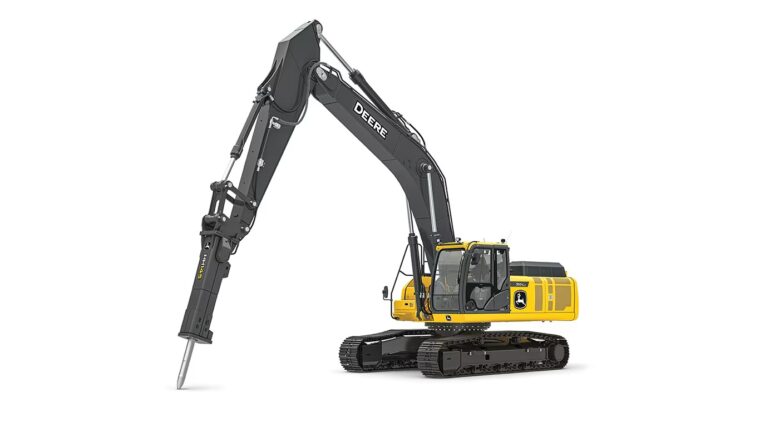
On demolition and construction jobsites, excavator attachments turn your excavator into a versatile tool for a wide range of tasks beyond digging. This means choosing the right excavator attachment for the job comes down to one core question: are you breaking material, cutting it, or handling and sorting it?
Hydraulic hammers are built to fracture concrete and rock, while shears are designed to slice through steel and reinforced materials. Grapples excel at grabbing, moving, and organizing debris.
John Deere supports a broad lineup of excavator attachments, and getting the most from them starts with proper fitment, hydraulic compatibility, and operator technique. Let’s compare hammers, shears, and grapples so you can pick the right tool for your material, workflow, and machine.

Key Takeaways
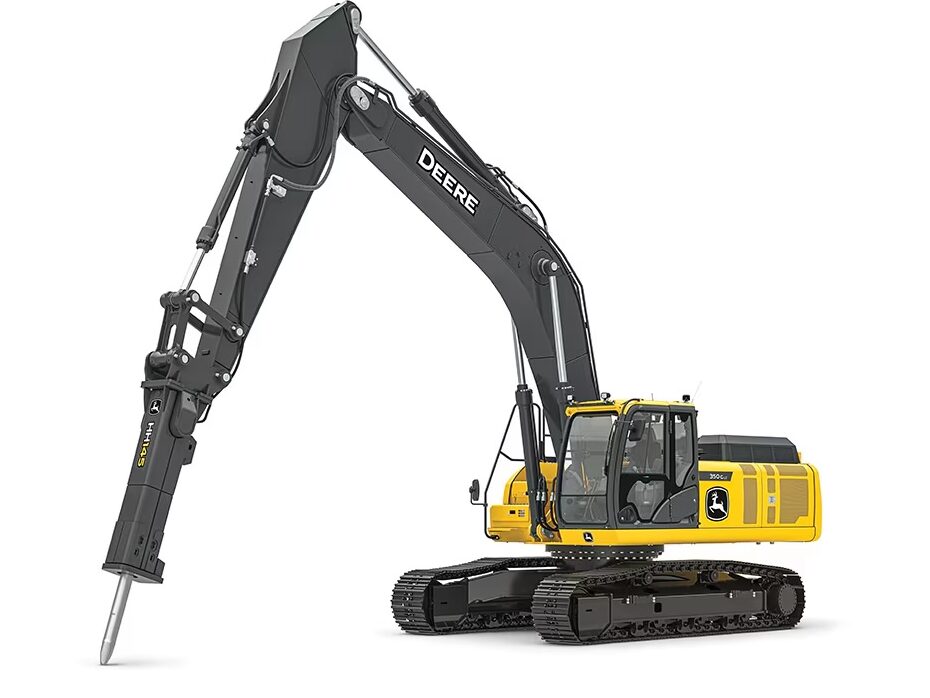
- Hydraulic hammers are best for breaking concrete, rock, and asphalt. Correct sizing and proper technique protect both the attachment and excavator.
- Excavator shears are designed for cutting steel, rebar, and structural materials, making them ideal for primary demolition and scrap processing workflows.
- Grapples excel at sorting and handling debris, brush, pipe, rock, and scrap for efficient cleanup and loading.
- Choosing the right excavator attachment depends on material type, job phase, hydraulic compatibility, and carrier weight class to ensure performance and long-term durability.
What Counts as a “Excavator Attachment”?
Excavator attachments are interchangeable tools mounted at the end of an excavator’s arm, allowing the machine to perform specialized tasks beyond digging.
Attachments enable operators to maximize productivity and ROI from a single excavator, rather than dedicating separate machines to separate tasks. Switching a bucket for a hammer or grapple can transform the same machine from a digging to demolition or cleanup tool in minutes.
Common task-specific excavator attachments include:
- Hammers, which use hydraulic impact force to break concrete, rock, and asphalt
- Shears, which apply controlled cutting power to slice through steel, rebar, and reinforced materials
- Grapples, which lift and sort debris, scrap, brush, or rock for efficient handling and staging
Other widely used excavator attachments include:
- Buckets for general purpose trenching and grading
- Thumbs used with buckets to grip, stabilize, and secure materials
- Quick couplers for faster attachment changeovers
- Compactors for compressing soil during trench backfill and site prep
Quick Comparison: Hammer vs Shear vs Grapple
Hydraulic hammers, shears, and grapples are built for different types of work, even though they may be used on the same excavator.
Before choosing any attachment, make sure your carrier weight class and auxiliary hydraulic flow/pressure match the tool’s specs, and confirm coupler or mounting compatibility.
With those baseline requirements in mind, this chart breaks down what each attachment is designed to do, where it performs best, and what to consider before putting it to work:
| Hammer | Shear | Grapple | |
| Primary function | Break and fracture material | Cut and separate material | Grab, move, and sort material |
| Best materials to use it on | Concrete, rock, asphalt | Structural steel, rebar, pipe | Debris, brush, scrap, rock |
| Typical job types | Demolition, trench prep, landscaping rock | Structural demo, scrap processing | Cleanup, material staging, recycling |
| Common mistakes to avoid | – Running a hammer that’s oversized or underpowered for the carrier – Applying side-load / prying – Holding the tool in one spot too long | – Using a shear that’s too small for the material thickness – Poor positioning / angle during cutting – Lack of rotation control – Choosing a rotation and jaw opening that doesn’t fit job needs | – Using a grapple without adequate hydraulic control – Overreaching with heavy or unstable loads – Poor staging leading to inefficient cycles |
Hydraulic Hammer Attachments
Hydraulic hammers turn excavators into controlled breaking machines for demanding demolition and construction work.
What a Hammer Is Best For
Hammers are designed to fracture hard materials such as concrete slabs, reinforced footings, asphalt, and rock, where force and controlled impact matter more than precision cutting. They’re commonly used for:
- Breaking foundations and flatwork
- Trenching through rock
- Recycling concrete
- Landscaping applications requiring rock removal
When a Hammer Is the Wrong Tool
Hydraulic hammers are not designed for:
- Cutting steel or separating heavy rebar
- High-precision removal work
- Sorting, staging, or loading materials
What to Check Before You Run One
Improper hydraulic setup can reduce performance or cause overheating, and an oversized hammer can put unnecessary stress on the excavator. Before installing a hydraulic hammer, confirm:
- Auxiliary hydraulic flow and pressure match the hammer’s requirements
- The attachment weight aligns with the carrier’s weight class
- The mounting system or coupler is compatible and secure
Operating Best Practices That Prevent Damage
These few simple operating habits help protect both the attachment and the excavator:
- Keep the tool perpendicular to the surface. Straight alignment transfers impact energy more efficiently and reduces side-loading that can damage the tool.
- Avoid prying or using the hammer as a lever. Hydraulic hammers are built for impact, not side force, and prying can stress both the attachment and the excavator arm.
- Let the hammer do the work. Excessive down pressure won’t improve breaking performance and can put extra strain on the carrier and hydraulic system.
- Inspect wear components regularly. Routine checks help catch wear early and prevent small issues from turning into expensive repairs.
Excavator Shear Attachments
Excavator shears are built for controlled cutting in demolition and scrap environments where speed, control, and clean separation are priorities.
What a Shear Is Best For
Shears are engineered to cut structural steel, rebar bundles, metal pipe, and other reinforced materials. They’re often used for:
- Primary structural demolition
- Secondary processing after concrete is broken
- Scrap yard material sizing
- Separating steel from debris
Key Selection Factors
Choosing the right excavator shear starts with matching the tool to the materials you’re cutting and the phase of work you’re performing. Key selection factors include:
- Material thickness and type
- Required jaw opening
- Whether rotation is needed for positioning
- Desired cycle time
- Primary demolition versus secondary processing use
Workflow Tips for Cleaner Demo
Demolition can get messy fast when materials aren’t managed as you go. A cut and stage workflow helps keep the site organized so you’re not constantly re-handling scrap or fighting tangled debris. Here’s what it looks like in practice:
- Separate materials as you cut. This keeps steel, concrete, and mixed debris in designated areas so they don’t end up tangled together and harder to sort later.
- Stack and stage steel in organized, accessible piles. Laying material in consistent rows makes it easier and safer to grab, load, and haul without extra machine repositioning.
- Place cut pieces with the next step in mind. Set material down where it can be picked up quickly, which reduces unnecessary re-handling and keeps the job moving.
This approach also maintains clear safety zones to ensure ground crews aren’t working around swinging loads.
Excavator Grapple Attachments
Grapple attachments turn an excavator into a high-cycle material-handling machine, built for controlled grabbing, lifting, and placement across demanding cleanup and sorting tasks.
What a Grapple Is Best For
Excavator grapple attachments are ideal for:
- Sorting demolition debris
- Loading scrap or recycling materials
- Handling brush and vegetation
- Moving rock and irregular materials
- Cleanup after primary demolition
Grapple Types and When to Use Them
Selecting the correct grapple style ensures better grip control and faster cycle times. Different grapple styles serve different purposes:
- Scrap grapples are built for scrap-handling, recycling work, and jobsite cleanup, with open-side designs and independent arms that help grip mixed materials more securely.
- Rock grapples are designed for land clearing and brush removal, using reinforced, serrated tines and high clamping force to hold bulky, uneven materials like rock and brush.
Best Practices for Safer Handling and Faster Cycles
Efficient staging and load control improve both productivity and jobsite safety. Here are some best practices:
- Keep loads close to the machine when swinging to maintain better balance and reduce stress on the boom and stick.
- Avoid extended reaches with heavy or uneven material, which can compromise stability and increase strain on hydraulic components.
- Stage piles strategically to limit excessive rotation and unnecessary machine repositioning during loading.
- Maintain smooth, controlled movements to reduce sudden shifts in weight and minimize wear on pins, bushings, and hydraulic systems.
How to Choose the Right Attachment for the Job
The best excavator attachments align with the type of material you’re handling, the phase of work you’re in, and your machine’s capabilities. Here are key factors to consider when deciding on the best attachment for your machine:
| Attachment | Hammer | Shear | Grapple |
| Primary use | Breaking | Cutting / separation | Handling / sorting |
| Job phase | Primary demo, trench prep, concrete recycling | Primary structural demo, secondary processing, scrap sizing | Post-demo cleanup, material staging, site clearing, recycling |
| Site constraints | High noise and vibration; not ideal near sensitive structures or confined work areas | Requires controlled cutting space, clear visibility, and strict exclusion zones during structural separation | Requires room for safe swinging and load placement; confined sites require careful staging and load control |
| Ownership and maintenance demands | Expect wear part replacement and regular service; proper technique reduces tool and carrier wear | Expect blade wear and routine maintenance; correct sizing prevents premature wear and helps protect cycle times | Expect routine inspection of pins, bushings, and tines; typically lower wear than cutting or breaking tools |
Setup, Safety, and Training Essentials
Proper attachment installation and training play a major role in preventing wear and supporting safe operation on the jobsite. Follow these steps before and during use.
Before operation:
- Conduct a full pre-operation inspection. Walk around the machine and attachment to check for loose hardware, cracked components, worn pins, and any signs of damage before you start.
- Confirm secure mounting and coupler engagement. Verify the attachment is fully seated, locking mechanisms are engaged, and any required pins are installed before operation.
- Inspect hydraulic lines and connections for leaks or damage. Look for wet fittings, cracked hoses, rubbing points, and damaged couplers that could fail under pressure.
During operation:
- Establish safe work zones and clear communication. Keep ground crews out of the swing radius and use consistent communication to prevent unexpected movement near the work area.
- Maintain visibility around the attachment. Position the machine for clear sightlines, and avoid blind swinging or placing loads where spotters and crews can’t be seen.
- Follow recommended operating techniques for each tool type. Proper hammer positioning, controlled shear cutting, and stable grapple handling reduce stress on the attachment and help prevent avoidable damage.
Use MachineFinder’s excavator safety tips and connect with your John Deere dealer for equipment-specific guidance. Together, they can help you confirm proper setup, verify compatibility, and develop safe operating habits from the start.
Find the Right John Deere-Compatible Attachment for Your Excavator
The most productive excavator attachments are the ones matched correctly to both the work and the machine.
From breaking reinforced concrete to cutting structural steel or sorting debris, each task requires the right hydraulic compatibility and proper sizing to protect your investment and maintain strong jobsite performance. Ready to tackle more tasks using the same excavator? Explore available excavator attachments through MachineFinder and connect with your local John Deere dealer to ensure proper fitment, setup, and operation.


Excavator Attachments FAQs
1. What Is the Best Excavator Attachment For Demolition?
The best attachment depends on the demolition phase. Hydraulic hammers are typically used for breaking concrete and foundations, while shears handle structural steel and reinforced materials. Grapples are often used for cleanup and material handling after primary demolition.
2. What Size Excavator Do I Need For a Hydraulic Hammer?
The excavator must meet the hammer’s required hydraulic flow and pressure specifications, while also falling within the recommended carrier weight range. Oversized hammers can strain smaller machines, while undersized hammers may not deliver sufficient impact force.
3. What’s the Difference Between Scrap Grapples and Rock Grapples?
Scrap grapples are designed for mixed debris and recycling workflows, using open sides and independent arms to clamp onto irregular scrap securely.
Rock grapples are built for heavier land-clearing material, with reinforced, serrated tines and strong clamping force to lift and carry rock, brush, and bulky debris.
4. How Do I Know If an Attachment Is Compatible With My Excavator’s Hydraulics?
Check your carrier’s auxiliary hydraulic flow and pressure ratings and compare them with the attachment’s requirements. Confirm coupler compatibility and carrier weight class recommendations with your dealer before installation.