

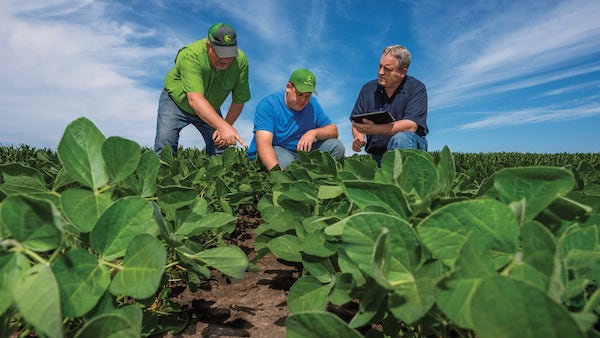
Farmers everywhere know that achieving a successful harvest requires time, resources, experience, and an understanding of how crops respond to changing field conditions. Agronomic practices use agricultural research, field data, and knowledge of plants and soil to help farmers make well-informed decisions throughout the growing season.

Key Takeaways
- Agronomic practices are science-based techniques used to manage crops throughout the growing season.
- Common agronomic practices include soil testing and management, crop rotation, nutrient management, water management, and integrated pest management.
- Farmers can use agronomic research, field data, and their own experiences to select agronomic practices suited to their crops and conditions.
- The right agronomic practices can support crop productivity, soil health, efficient resource use, and the protection of natural resources.
What Are “Agronomic Practices”?
Agronomic practices are the techniques and science-based methods used to improve crop production throughout the growing season. These practices apply findings from agronomy, the study of how plants and soil can be used for food, fuel, fiber, and reclamation. The science of agronomy combines the studies of ecology, biology, chemistry, earth science, and genetics to determine the capabilities of various types of plants and soils in their environments.
Examples of agronomic practices include soil testing, crop rotation, and nutrient management. Farmers can use agronomic research to select practices that respond to their crops, field conditions, and production goals.
Why Are Agronomic Practices Important?
Agronomy provides farmers with agricultural information about how to grow and care for plants and soils in certain environments. Factors such as climate, roots, moisture, weeds, pests, fungi, and erosion can all pose significant challenges when farmers attempt to produce a plentiful harvest. Agronomists study these agricultural challenges to identify practices that help crops thrive under specific environmental conditions.
Agronomists test soil and plant samples from all over the world to better understand how their properties and genetic make-up will interact with their surrounding environment. They then take this research to develop innovative agronomic practices and technologies designed to boost crop yields and protect against weeds and pests.
When combined with farmers’ knowledge of their land, agronomic practices can provide several benefits:
- Improved crop productivity: Agronomic practices that account for field conditions and crop needs can help farmers improve yield potential.
- Healthier soil: Crop rotation, nutrient management, and other practices can help protect soil structure, fertility, and long-term productivity.
- More efficient resource use: Soil testing, irrigation planning, and precision applications can help farmers use water, nutrients, and other inputs more efficiently.
- Greater crop protection: Crop rotation, field monitoring, and integrated management strategies can help farmers address threats to crop health.
- Protection of natural resources: Practices that limit erosion, runoff, and unnecessary inputs can support water conservation and help protect surrounding ecosystems.
By combining research-backed agronomic practices with knowledge and experience, farmers can make informed decisions when tending to their crops. Understanding the importance of agronomy in crop production can help farmers improve productivity and protect the agricultural resources needed for future growing seasons.
What Are Examples of Agronomic Practices?
The agronomic practices used on a farm depend on crop type, soil characteristics, weather, and field history. Farmers can use the following practices individually or as a part of a larger strategy to manage field conditions throughout the growing season:
Soil Testing and Management
Soil testing helps farmers understand characteristics such as nutrient levels, pH, and organic matter. Using this information, farmers can make informed decisions that support crop growth. Depending on field conditions, practices such as reduced tillage or no-till systems may help preserve soil structure, improve water infiltration, and reduce erosion.
Crop Rotation
Crop rotation involves growing different crops in a planned sequence rather than planting the same crop in a field every season. Rotating crops can help improve soil fertility, manage nutrient use and disrupt weed, pest, and disease cycles.
Cover Crops
Cover crops are planted between primary growing seasons to help protect and improve field conditions when cash crops are not actively growing. Cover crops can help reduce soil erosion, improve soil structure, suppress weeds, and support nutrient cycling. Farmers may select different cover crop species based on their soil management goals and cropping system.
Nutrient Management
Nutrient management focuses on applying the right nutrient source at the right rate, time, and place. Farmers can use soil tests, historical field data, and application technology to determine fertilizer decisions. A well-planned approach can help improve crop health while limiting unnecessary applications.
Water Management
Water management, including irrigation scheduling, soil-moisture monitoring and drainage management, can help ensure that crops receive proper hydration while making more efficient use of available water.
Integrated Pest Management
Integrated pest management (IPM) combines field monitoring with preventative measures and targeted treatments to manage threats to crop health. IPM may include biological, cultural, mechanical, and chemical control methods. This strategy allows farmers to identify potential problems and select an appropriate response before weeds, pests, or diseases significantly affect production.
Selecting the Right Agronomic Practices for Your Farm
The right agronomic practices depend on the crops being grown, soil characteristics, climate, available resources, and production goals. Before choosing an approach, farmers should consider the challenge they are trying to address, along with equipment compatibility, implementation costs, and timing.
Each practice should fit into the farm’s existing workflow and operational capacity. Tracking and comparing results between growing seasons can help farmers determine whether to continue a practice.
If you have any questions about John Deere agricultural equipment that can support your farming operation, you can contact your local John Deere dealer.

Agronomic Practices FAQs
How does precision agriculture support agronomic practices?
Precision agriculture uses variable-rate application equipment, yield monitors, guidance systems, and field mapping tools that help farmers implement agronomic recommendations more accurately. These tools can support decisions involving planting, nutrient applications, irrigation, and crop monitoring.
How often should farmers evaluate their agronomic practices?
Farmers should evaluate their agronomic practices throughout the growing season, after major weather events, and again after harvest. Reviewing performance across multiple growing seasons can also help determine whether a practice should be continued or adjusted.
Do agronomic practices vary by crop and region?
Yes, agronomic practices can vary based on the crop, soil type, climate, and common weeds, pests, or diseases in an area. A practice that performs well in one field or region may need to be adapted for different conditions.
What is the role of an agronomist in farming?
An agronomist studies crops, soil, and environmental conditions to help farmers make informed decisions. Agronomists may analyze field data, interpret soil and plant tests, identify crop health concerns, and recommend agronomic practices suited to a farm’s goals.
Can agronomic practices change from one growing season to the next?
Yes, farmers may adjust their agronomic practices as weather patterns, soil conditions, production goals, and field performance change. Maintaining accurate records can help farmers compare results and make informed adjustments.