
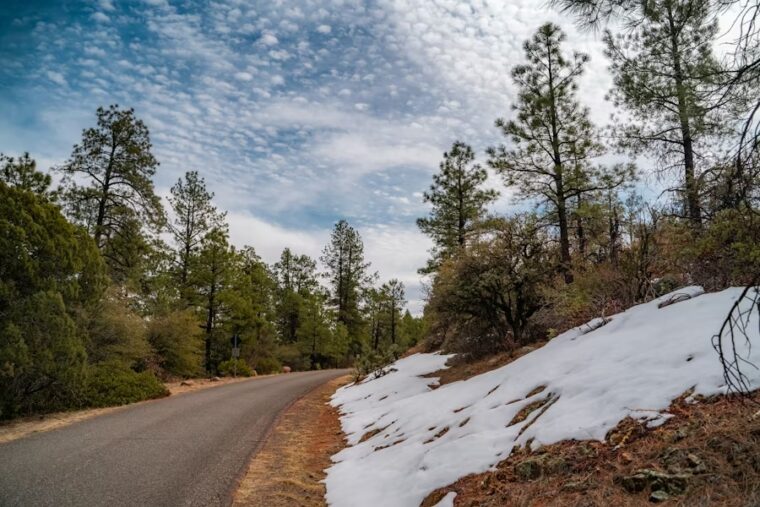
As temperatures rise, spring snow melt can quickly become fast-moving surface runoff. When soil remains frozen, water can’t soak in and instead flows downhill, collecting in yards, driveways, and low areas around buildings.
This runoff can lead to flooding in high-traffic areas, delayed field access, saturated feed storage zones, and washed-out driveways.
You don’t need flawless drainage before thaw begins, but you do need a plan. By directing snow melt toward safe discharge points and away from critical zones, you’ll help prevent mud, erosion, and costly damage.
Key Takeaways
- During spring snow melt, frozen ground increases surface runoff, so plan where water will flow and safely discharge before thaw begins.
- Prioritize protecting critical zones such as barns, feed storage, animal yards, and high-traffic access lanes by diverting runoff.
- Small adjustments like clearing outlets and restoring driveway crowns can prevent major pooling, mud, and washouts.
- Long-term farm drainage solutions may require broader regrading, upgraded culverts or ditches, and coordinated water management planning across the property.
Why Snowmelt Creates Drainage Problems on Farms and Rural Properties
During spring snow melt, frozen ground prevents water from soaking into the soil, increasing surface runoff and overwhelming unprepared drainage paths.
Rapid warming or rainfall on existing snow can intensify the problem by accelerating melt and adding more water than the soil can absorb.
On farmsteads and rural properties, snow melt runoff often affects critical operational areas, including:
- Animal yards, where excess moisture quickly turns footing into deep mud
- Feed and bedding storage areas, which can become saturated and harder to access
- Equipment sheds and entrances, where standing water restricts entry and weakens surfaces
- Access lanes and drive paths, which can soften, rut, and become impassable
On residential and mixed-use properties, common impact areas include:
- Gravel driveways, where runoff can displace material and weaken the base
- Downspout discharge points, where pooling increases the risk of water intrusion or foundation damage
- Walkways and compacted lawn areas, which can hold water and lose stability
- Ditch lines, where ice or debris blocks low and causes upstream backup
Map the Water Before You Move It
Before reshaping a driveway or cutting a ditch, walk your property during early snow melt. Observing how water naturally moves reveals the flow paths and low spots that should guide any drainage adjustments.
1. Identify Flow Paths and Low Spots
Begin by identifying where melting starts first. South-facing slopes, dark gravel, and paved surfaces warm faster and release water earlier than shaded ground.
Track that runoff as it moves across the property and consider:
- Where does water currently collect?
- Where should it discharge safely?
- Are there choke points where flow slows or backs up?
Understanding this movement helps you redirect water intentionally rather than shifting the problem elsewhere.
2. Prioritize “Protect Zones”
Prioritize the areas that must remain firm and accessible during thaw. These typically include:
- Barn entrances and livestock areas
- Feed, bedding, and storage pads
- Electrical or mechanical zones
- Driveways and daily access lanes
3. Review a Quick Checklist Before Thaw
Even minor restrictions can limit drainage capacity during peak snow melt. Before runoff intensifies, check that:
- Ditch outlets are open, with no ice or sediment blocking discharge
- Culvert ends are clear, allowing water to pass freely beneath lanes
- Inlets are free of debris, so runoff can enter drainage paths without backing up
Fast Fixes That Reduce Pooling and Mud During Thaw
In many cases, targeted adjustments can significantly reduce pooling and mud without major grading. To address problem areas quickly:
- Clear inlets, outlets, and problem debris
- Cut simple diversions to route water around trouble areas
- Reopen swales and restore crowns on lanes/driveways
Clear Inlets, Outlets, and Problem Debris
If your walkthrough reveals blocked outlets, culverts, or inlets, clear sediment and debris so water can move freely through the system. Even minor obstructions can slow discharge and cause pooling.
Cut Simple Diversions to Route Water Around Trouble Areas
If runoff consistently crosses an animal yard or storage pad, a shallow diversion channel can intercept flow early, helping reduce mud buildup and surface erosion.
These channels don’t require major excavation. A lightly shaped path that guides water around critical zones is often enough to protect high-traffic areas.
Reopen Swales and Restore Crowns on Lanes/Driveways
Gravel lanes and farm drives often lose shape over winter. When crowns flatten and swales fill in, snow melt lingers on the surface instead of draining to the sides.
Light regrading with a box blade or land plane can restore a defined crown and reestablish runoff direction so water sheds off the driving surface rather than softening it.
Mid-Term Drainage Improvements for Farmyards and Properties
If snow melt causes the same pooling or access issues each spring, more intentional farm drainage improvements may be needed. Some mid-term solutions include:
- Correct grading around buildings and pads
- Manage concentrated runoff
- Maintain ditches and culverts for continuous flow
Correct Grading Around Buildings and Pads
When ground slopes toward barns, sheds, or storage pads, runoff collects near foundations instead of draining away. During thaw, this standing water softens soil, destabilizes gravel, and limits access.
Correct the grade so the surface slopes gently away from the structure. Fill low spots that trap water near foundations and smooth out shallow depressions. These modest adjustments are what establish consistent outward drainage and reduce repeat pooling.
Manage Concentrated Runoff
Downspouts, roof melt lines, and compacted driveway edges often channel snow melt into narrow paths that erode soil and displace gravel. To reduce that impact:
- Extend discharge points so runoff moves farther from buildings before reaching traffic areas.
- Disperse flow across stable ground such as vegetated or reinforced surfaces to slow water and reduce erosion.
- Guide runoff into defined drainage paths like ditches or swales to prevent new channels from forming.
Maintain Ditches and Culverts for Continuous Flow
Effective farm drainage depends on two core components:
- Ditches, which guide surface water along defined paths and away from high-traffic or sensitive areas.
- Culverts, which allow water to pass beneath driveways and lanes without undermining the surface.
For either to function properly, flow must remain continuous from entry to exit. Blocked ditches or obstructed culvert ends can slow discharge and cause upstream pooling.
Long-Term Solutions for Recurring Snowmelt Drainage Issues
Recurring pooling, erosion, or washouts often point to structural limits in land shape or drainage capacity. Lasting improvement requires reshaping how water moves across the property. This may include:
- Regrade for better drainage patterns
- Add or upgrade drainage infrastructure
- Plan out field or water management
Regrade for Better Drainage Patterns
Persistent standing water signals that the overall land contour lacks a defined drainage path. Unlike targeted grading around buildings or pads, long-term regrading adjusts broader slopes across yards and lanes to permanently redirect runoff.
This may involve correcting chronic low areas and establishing clear discharge routes so snow melt consistently moves away from operational zones.
Add or Upgrade Drainage Infrastructure
In some cases, reshaping the surface isn’t enough to handle runoff volume during heavy snow melt. To increase drainage capacity, some long-term improvements include:
- Replacing undersized culverts that restrict flow
- Installing interception ditches upslope of barns or yards
- Building defined channels that protect livestock and storage areas
Plan Out Field and Water Management
When runoff affects field edges or shared drainage corridors, isolated fixes simply shift water elsewhere. Long-term drainage requires evaluating elevation changes, flow direction, and discharge points across the entire property.
John Deere’s field and water management tools support this work by mapping land contours, analyzing water movement, and guiding coordinated grading or drainage plans. A system-level approach helps ensure snow melt flows where intended without creating new downstream issues.
Common Mistakes to Avoid During Snowmelt
Winter shortcuts and small oversights can create larger drainage problems once snow melt picks up. Avoid these common mistakes when managing runoff:
- Piling snow where meltwater needs to flow. Snowbanks placed across natural drainage paths can trap runoff and push water into yards, lanes, or foundations.
- Temporarily blocking ditches or outlets. Even short-term obstructions reduce discharge capacity and cause upstream pooling during rapid melt.
- Overcutting diversion channels. Deep or steep cuts can accelerate erosion or redirect water toward new problem areas.
- Ignoring driveway crowns. Flattened lanes allow water to sit on the surface, softening gravel and increasing the risk of washouts.
Put a Snowmelt Drainage Plan in Place Before the Next Thaw
Snow melt is inevitable, but the damage it causes doesn’t have to be.
Before temperatures rise, walk your property and assess where runoff will move. Prioritize critical zones, clear key choke points, and make sure water has a clear path to exit. If the same issues return each year, reassess drainage routes and the equipment used to maintain them.
Ready to stay ahead of spring snow melt? Talk to your local John Deere dealer about implements and planning approaches that support effective farm drainage, protect high-traffic areas, and keep your property accessible through thaw.


Snowmelt Drainage FAQs
1. Why does snowmelt cause flooding even when it hasn’t rained?
Flooding during snow melt often happens because the ground is still frozen. When soil can’t absorb water, meltwater travels across the surface and settles in low areas, creating pooling or flooding even without additional rainfall.
2. What’s the best way to keep water out of animal yards and high-traffic areas?
The most effective approach is to redirect runoff before it reaches those areas. Restoring swales, reopening ditches, or lightly adjusting surrounding grades can guide water around, rather than through, critical zones.
3. How do I prevent driveway washouts during spring thaw?
Driveways wash out when water sits on the surface or backs up beneath it. Maintaining a defined crown helps shed runoff, while open culverts and clear ditches allow water to pass without undermining the lane.
4. When should I regrade vs. add drainage (ditch/culvert)?
Regrading is typically effective when pooling results from surface shape or uneven slopes. When runoff must cross a driveway or move through a confined area, adding or upgrading a ditch or culvert often provides more reliable control.
5. What should I check before the thaw starts?
Before spring thaw, inspect outlets and culverts for blockages, clear debris from inlets, confirm driveway crowns are intact, and identify snow piles blocking natural flow paths. Addressing these items early helps prevent emergency repairs during peak snow melt.