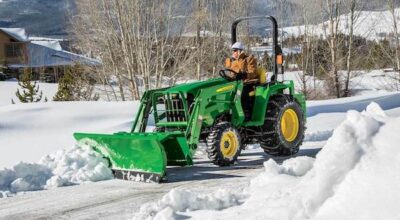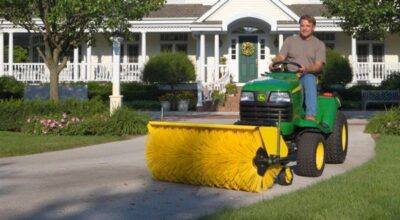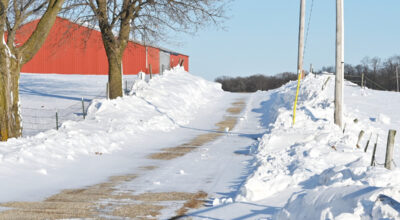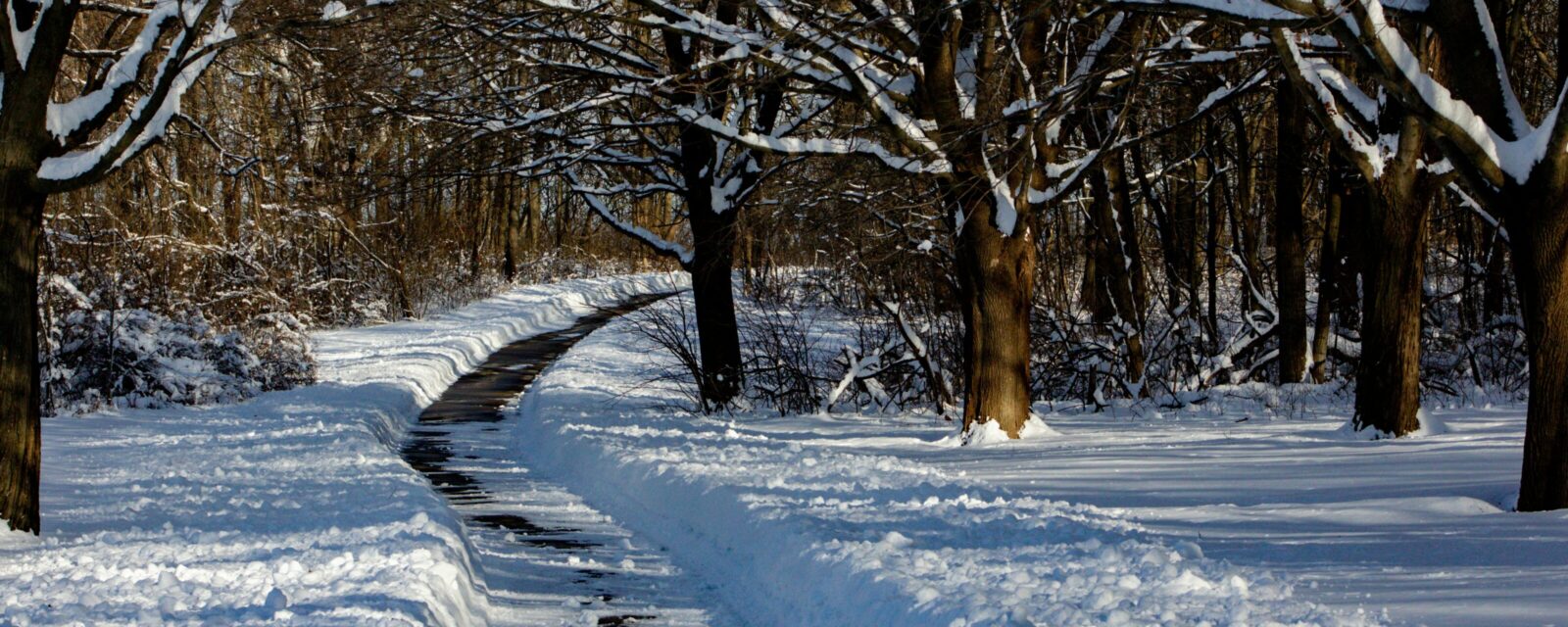
Removing snow from a gravel driveway requires a gentler approach than clearing a paved surface. Loose stones sit above soil and the wrong technique can scatter gravel, damage your equipment, or leave behind icy patches that make the driveway unsafe. With the right tools and a simple step-by-step strategy, you can clear snow effectively without disturbing the surface underneath. Below, we break down exactly how to remove snow from a gravel driveway.
Key Takeaways
- Gravel driveways require a different snow-removal technique to avoid displacing stones.
- Snowblower skid shoes are essential as they help lift the auger and prevent gravel from entering the chute.
- Starting on the upwind side prevents cleared areas from filling back in with blowing snow.
- Removing snow in layers protects the driveway surface and reduces equipment strain.
- John Deere snow removal machines provide the right height control, power, and efficiency for gravel surfaces.
The Right Way to Clear Snow from a Gravel Driveway
These four steps help you clear snow efficiently without losing gravel:
- Use snowblower skid shoes
- Start at the upwind section of the driveway
- Remove the snow in layers
- Clean the snowblower after use
Step 1: Use Snowblower Skid Shoes
A snowblower equipped with skid shoes is the best snowblower setup for gravel driveways. The skid shoes lift the auger and scraper bar off the ground, leaving a thin layer of snow that protects the stones beneath.
This prevents:
- Gravel displacement
- Clogs in the chute
- Damage to augers, shear pins, or the impeller
- Safety hazards caused by flying stones
Step 2: Start at the Upwind Section of the Driveway
Snowstorms often bring strong winds. Begin clearing snow on the upwind side of the driveway and angle the chute downwind.
This helps prevent recirculating snow and allows you to work with — not against — the weather.
Step 3: Remove the Snow in Layers
If you’re facing deep accumulation, attack the snow in stages:
- Raise the snowblower to remove the top layer.
- Lower it slightly to remove the second layer.
- Finish with a shallow pass that sits above the gravel.
Taking multiple passes keeps your driveway intact and avoids dragging the bucket or auger through loose stone.
Step 4: Clean the Snowblower After Use
When you’re finished:
- Remove packed snow from the auger and impeller
- Clear the chute
- Brush off layered or frozen buildup
This prevents ice from forming inside key components and helps your blower start reliably in the next storm.
How to Remove Snow Without a Snowblower
If you don’t own a snow blower or simply prefer a different option, a shovel, rake, leaf blower, or rear blade are all great pieces of equipment that can help you get the job done. If your area receives an updated forecast for additional snow after you’ve just plowed your driveway, adding rock salt to your gravel will help melt snow and ice and prevent additional snow from sticking to your driveway.
How to Remove Snow with a Rear Blade
Rear blades are an excellent option for clearing snow, especially on gravel driveways. When using a rear blade, angle it diagonally so one of the outer edges trails behind the tractor. This setup helps direct snow off to the sides of the driveway rather than dragging the gravel along with it. Similar to tackling deep snow with a snow blower, you can raise the rear blade to skim off the top layer first before making a deeper pass.
Keep Your Gravel Driveway Clear All Winter
Snow removal on gravel doesn’t need to be complicated. With the proper equipment, smart technique, and a bit of preparation, you can protect your driveway surface while keeping it accessible through every winter storm. Whether you rely on a snowblower with skid shoes, a rear blade, or another snow removal machine, choosing the right method helps preserve your gravel and ensures safer travel all season long.
Explore available John Deere snow removal equipment on MachineFinder or contact your local John Deere dealer to find the tools you need.
How to Remove Snow from a Gravel Driveway: FAQs
1. Can you use a snowblower on a gravel driveway?
Yes — you can use a snowblower on a gravel driveway as long as it’s adjusted correctly. Using skid shoes to raise the auger off the ground is essential, because it keeps the machine from picking up loose gravel and throwing it through the chute.
2. What is the best snow removal tool for gravel driveways?
For gravel driveways, the best snow removal tools are:
- Two-stage blowers configured with skid shoes or adjustable height control — these offer the right balance of power and ground clearance to move snow without disturbing loose gravel.
- Tractor-mounted snowblower attachments (ideal for larger driveways or heavy snow), because the tractor’s weight and traction make clearing more stable, and the adjustable mounting ensures the blades stay clear of the gravel surface.
- Rear-blade attachments for tractors — these are useful for pushing heavier snow or clearing packed drifts while allowing you to control blade angle and height so you avoid digging into the gravel layer.
3. What size snowblower do I need for my driveway?
The size depends on the length and width of your driveway.
- Short, straight driveways: 24–26 inch width is usually enough.
- Medium to long driveways: 28–30 inch models save time.
- Large or rural driveways: 30+ inch or tractor-mounted blowers offer the power and coverage needed.
Two-stage snowblowers are generally recommended for gravel because they offer adjustable height and better traction.
4. What is the best snowblower for a gravel driveway?
A two-stage snowblower is typically the best choice. These machines use an auger to gather snow and an impeller to throw it, and their adjustable skid shoes allow them to sit higher off the ground.
5. Can you use a single stage snow blower on gravel?
Single-stage snowblowers are not recommended for gravel driveways. Their design scrapes the ground directly, which can pull up rocks, damage the machine, and create a safety hazard. They work best on paved, flat surfaces.
6. Do snow blowers damage driveways?
Snowblowers don’t normally damage driveways when used correctly. Issues arise when the auger sits too low, which can disturb gravel or scrape surfaces. Adjusting the skid shoes and taking slower passes helps prevent contact with the driveway and keeps the machine operating safely.
7. How do I clear snow from gravel?
Use a snowblower with raised skid shoes, start on the upwind side, and remove snow in layers rather than trying to clear it all at once. For lighter snowfalls, a shovel, leaf blower, or rake can work without disturbing the stone. If compacted snow remains, adding rock salt or sand can improve traction and melt ice.
8. Is a snow blower or plow better for gravel driveways?
Both can work, but for most homeowners a snowblower is the safer option because it allows for controlled height adjustments. A plow is faster for long or wide driveways but can drag gravel if not angled or lifted properly. Two-stage blowers offer the best combination of precision and efficiency for gravel.