From mowing pastures to preparing garden plots, small farms rely on equipment that can handle a range of jobs without overwhelming a beginner’s budget or storage space. For many small farms, the right setup starts with one appropriately sized tractor, then expands with attachments and implements based on acreage, terrain, crop type, livestock needs, and seasonal maintenance tasks.
This guide breaks down the best equipment for small farms, what to buy first, and how to decide whether new or used equipment makes sense for your operation.

Key Takeaways
- The best small farm equipment depends on your property’s size, terrain, and daily workload.
- A compact or utility tractor paired with a few essential attachments can handle many common farm tasks.
- Start with equipment that fits your current needs, then add specialized tools as your operation grows.
- Used equipment can be a cost-effective way to invest in dependable tractors and attachments.
What Equipment Do Small Farms Need to Get Started?
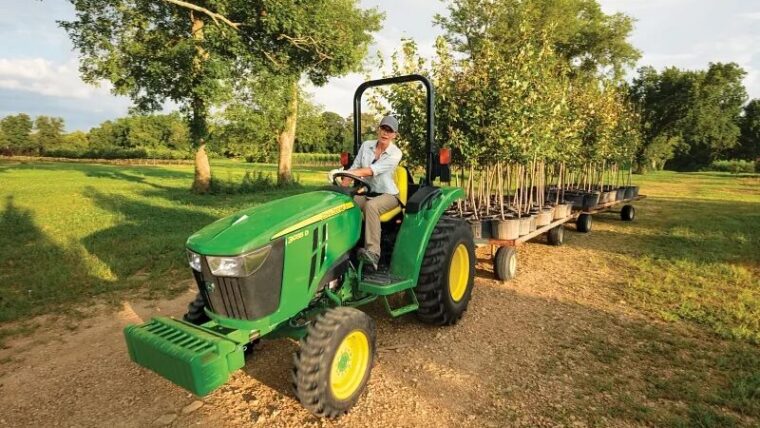
Many beginners can start with a sub-compact or compact tractor for lighter property maintenance, while larger acreages, hay handling, heavier tillage, or demanding loader work may justify a utility tractor.
Additional small farm equipment includes:
- Front loaders
- Rotary tillers
- Rotary cutters or mowers
- Box blade or grading attachments
- Bale wagons
- Post hole diggers
- Bale spears
The right combination depends on the jobs your farm needs to complete most often. Starting with core equipment helps you avoid buying too much too soon while leaving room to add specialized tools later.
How to Choose the Right Small Farm Equipment
Choosing the right small farm equipment starts with understanding how you’ll use it. Before buying, consider:
- Acreage
- Terrain
- Farm type
- Workload
- Horsepower requirements
- PTO requirements
- Hydraulic capacity
- Attachment compatibility
- Storage space
- Budget
For example, a 5-acre hobby farm with a garden and gravel driveway will likely have different equipment needs than a larger livestock operation with hilly pastures. The first may only require compact equipment for lighter chores, while the second may benefit from more horsepower, greater lift capacity, and heavier-duty attachments.
These factors can help you prioritize equipment that fits your operation now instead of buying for every possible future task. Once your core setup is in place, you can add more specialized tools as new needs arise.
Why Tractors Are the Foundation of Small Farm Equipment
For many small farms, the tractor is the foundation of the equipment lineup because it powers a wide range of attachments. With the right implements, one tractor can support loader work, mowing, tillage, hauling, and other seasonal jobs.
For small-farm buyers, tractor options are often discussed in three practical groups:
- Sub-compact tractors are well-suited for smaller properties and lighter-duty work, such as mowing, landscaping, and routine property maintenance.
- Compact tractors offer more power and lift capacity while remaining easy to maneuver, making them a popular choice for loader work, mowing, light tillage, and hauling.
- Utility tractors are built for heavier workloads and larger implements, making them a strong fit for fieldwork, hay handling, or demanding material handling. The John Deere 5075E is one option for small farms that need a multipurpose tractor.
Throughout the year, the same tractor can support jobs such as:
- Mowing
- Loader work
- Hauling
- Tillage
- Snow removal
- Pulling implements
Essential Small Farm Tractor Attachments
The right attachments help one tractor handle a wider range of jobs as seasonal needs change. For beginners, the most useful attachments often include:
- Front loaders
- Rotary tillers
- Rotary cutters and mowers
- Box blades and grading tools
Front Loaders
A front loader makes lifting and moving materials faster and easier. It can help move gravel, haul feed, clear snow, and transport supplies around the property, reducing the amount of manual labor required for everyday chores.
Rotary Tillers
A rotary tiller breaks up compacted soil and mixes in compost or other amendments before planting. It is commonly used for gardens, food plots, and small crop fields.
Rotary Cutters and Mowers
Rotary cutters are best for rough-cut maintenance, such as pasture edges, tall grass, weeds, and brush, while grooming mowers or mower decks are better for maintained turf where a cleaner finish is important.
Box Blades and Grading Tools
Box blades help restore smooth, even surfaces on driveways, farm lanes, and other gravel areas. They’re commonly used to level gravel, repair ruts, and complete light grading projects so the property stays easier to navigate throughout the year.
Additional Equipment Based on Your Farm Type
After you cover the essentials, your next equipment purchases should reflect the work your farm does most often. Equipment needs can vary by operation type:
| Type of farm | Recommended additional equipment |
|---|---|
| Crop farms | Seeders, spreaders, and cultivators can help prepare fields, plant crops, and apply seed or nutrients more efficiently. |
| Livestock farms | Bale handling equipment, fencing tools, and manure management equipment can support feeding, pasture maintenance, and animal care. |
| Mixed-use farms | Pallet forks, bale spears, spreaders, and utility wagons can support a range of jobs, from moving materials and feeding livestock to maintaining fields. |
Should Beginners Buy New or Used Small Farm Equipment?
For many beginners, used small farm equipment offers a practical balance between capability and cost. Buying used can make it possible to invest in higher-quality tractors or attachments while staying within budget.
Before purchasing used agriculture equipment, confirm that it is in good condition and compatible with your existing setup. Check:
- Overall condition
- Hours and maintenance history
- Attachment compatibility
- PTO and hydraulic requirements
- Tire condition
- Leaks
- Driveline and PTO guards
- Loader or hitch wear points
- Dealer support, parts availability, and service support
Find the Best Equipment for Your Small Farm
Building the right equipment lineup starts with understanding your property’s needs and the work you do most often. For many beginners, that means starting with a tractor and a few essential attachments, then adding specialized equipment as your farm’s workload changes.
Ready to get started? Contact your local John Deere dealer or explore used agriculture equipment on MachineFinder to compare tractors, attachments, and implements for your small farm.

Small Farm Equipment FAQs
1. What Small Farm Equipment Should Beginners Buy First?
Most beginners should start with a sub-compact or compact tractor for lighter property maintenance and a few essential attachments, such as a front loader, rotary cutter, and box blade. Together, these tools can handle many everyday jobs and create a practical foundation for a growing equipment lineup.
2. How Do I Know if an Attachment Is Compatible With my Tractor?
Start by checking your tractor’s horsepower, PTO requirements, hydraulic capacity, hitch category, and lift capacity. Matching those specifications helps ensure the attachment operates safely and performs as intended.
3. Is a Compact Tractor Enough for a Small Farm?
For many small farms, a compact tractor provides enough power for routine jobs like mowing, hauling, loader work, and light tillage. If your operation includes larger acreage, heavier implements, or more demanding workloads, a utility tractor may be a better fit.
4. What Small Farm Equipment Is Most Useful Year-Round?
A tractor paired with a front loader is one of the most useful equipment combinations for year-round work. It can help move materials, maintain driveways, clear snow, and handle routine chores across seasons.
5. How Can Small Farms Avoid Overspending on Equipment?
Choose equipment based on the work your farm does most often rather than buying for every possible task. Starting with multi-purpose equipment and adding specialized tools as your operation grows can help you get more value from every purchase.
6. What Should I Check Before Buying Used Small Farm Equipment?
Inspect the equipment’s overall condition, maintenance history, operating hours, and compatibility with your tractor before you buy. Also confirm PTO and hydraulic requirements, dealer support, and parts availability to help avoid unexpected issues later.