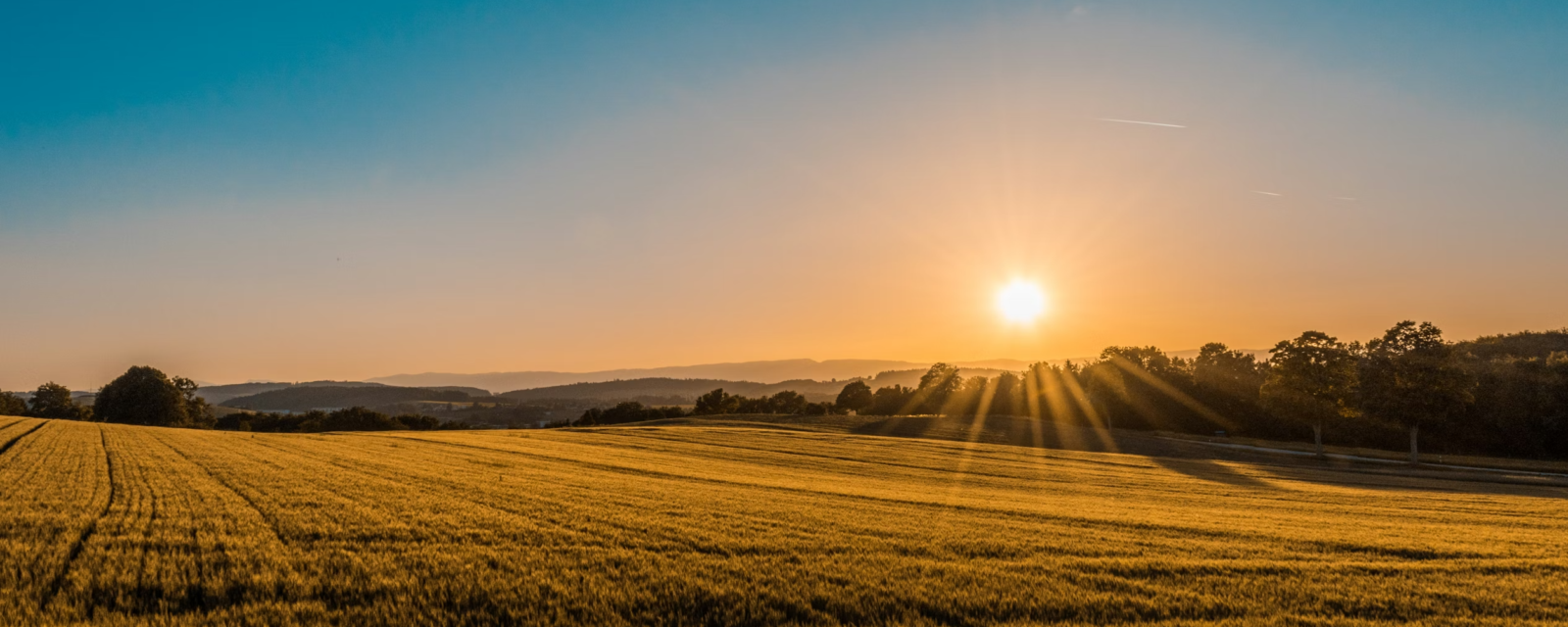
As we continue our exploration of agricultural terminology, we’ve reached the final section of the series. In Part 3, we concluded with the letter “S”. This installment begins with “T” and continues through the remaining terms in our glossary, highlighting language that helps define the practice of modern farming.
T – Agriculture Terms Starting with T
- Tillable Acres
- Tillage Practices
- Trickle Irrigation Method
- Turning Plow
- Total Digestible Nutrients (TDN)
1. Tillable Acres
Tillable acres are the portion of a farm’s land that’s ready for crop production without needing major improvements like drainage, clearing, or irrigation.
How Tillable Acres Are Used in Modern Farming:
Tillable acres are typically managed with no-till, strip-till, or minimum-till practices, especially in row crop systems like corn, soybeans, and wheat across the Midwest and Southern U.S. When deeper soil aeration or residue management is needed, tools like chisel plows may be used to break up compacted layers without fully inverting the soil.
Why Managing Tillable Acres Is Critical:
Efficient use of tillable acres improves soil structure, conserves moisture, reduces erosion, and cuts fuel and labor costs—supporting long-term sustainability and profitability.
2. Tillage Practices
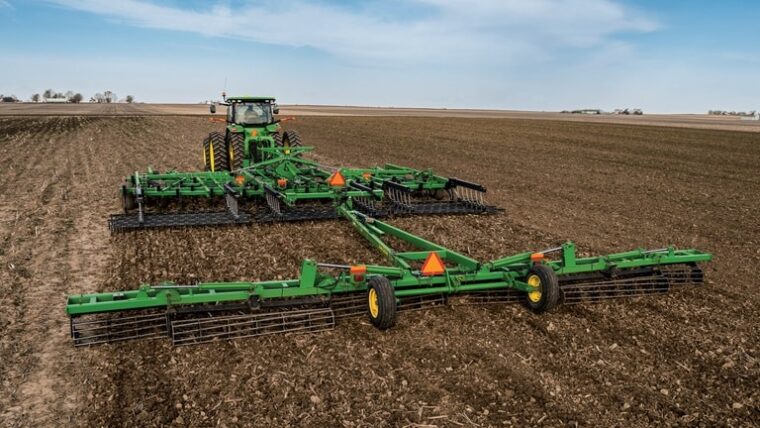
Tillage practices are field preparation methods used to condition soil for planting, ranging from conventional plowing to reduced and no-till systems.
Where and How Tillage Practices Are Used:
Tillage methods are widely adopted across crops like corn, wheat, and soybeans to manage residue, improve seedbed conditions, and support soil structure based on regional needs and farming systems.
Why Tillage Practices Matter for Soil Performance & Sustainability:
The choice of tillage system directly impacts erosion control, water retention, fuel consumption, and the long-term health and productivity of the soil.
3. Trickle Irrigation Method
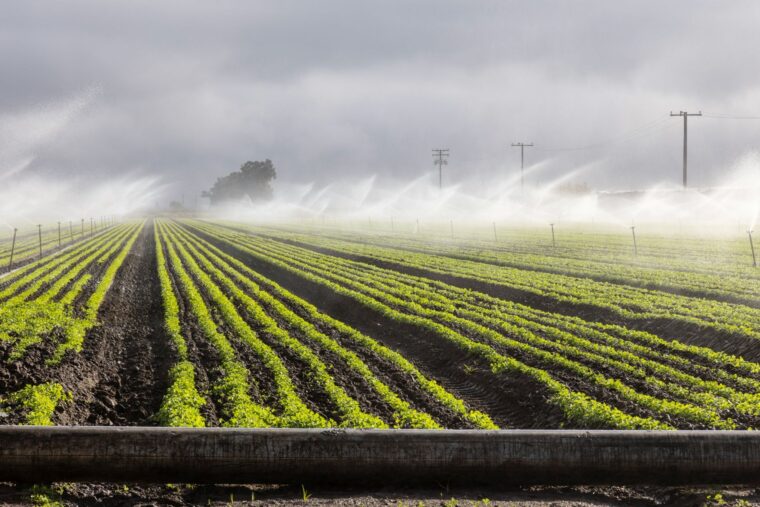
A trickle irrigation method (also known as drip irrigation) refers to a low-flow irrigation system that delivers water slowly and directly to plant roots through emitters or drip lines.
Where Trickle Irrigation Works Best:
This method is especially effective for high-value crops such as vegetables, berries, and orchard trees—particularly in arid regions or water-scarce farms where precision and conservation are essential.
Key Benefits of the Trickle Irrigation Method:
Reduces water waste, limits weed growth, and improves efficiency compared to traditional methods.
4. Turning Plow
A turning plow is a primary tillage tool that inverts soil and buries crop residue to prepare ground for planting.
Common Uses for Turning Plows:
Turning plows are commonly used in conventional systems to break up compacted soil, control weeds, and incorporate organic matter.
Benefits and Considerations of Turning Plow Use:
While turning plows are highly effective for deep soil aeration and residue management, repeated use can disturb soil structure and increase erosion risks, particularly on slopes or in heavy rainfall areas. Balancing usage with conservation practices is key.
5. Total Digestible Nutrients (TDN)
Total Digestible Nutrients (TDN) refers to the measure of the total energy content in livestock feed, combining fiber, fat, protein, and carbohydrates.
How TDN Is Used in Livestock Nutrition:
TDN is essential for formulating balanced rations for beef and dairy cattle, sheep, and goats. It’s commonly used in feed analysis to ensure animals receive the energy they need for maintenance, weight gain, reproduction, or milk production—especially in high-performance and lactating herds.
Why Energy Measurement Is Key in Animal Nutrition:
Accurately measuring TDN helps producers optimize feed conversion, improve milk yields, support healthy growth, and minimize waste. It’s a critical tool for managing input costs and maximizing return on nutrition in both commercial and small-scale operations.
U – Agriculture Terms Starting with U
1. Under Grazing
Under grazing is a grazing management issue that occurs when livestock density or rotation frequency is too low to keep up with forage growth—resulting in uneven pasture utilization.
How Under Grazing Affects Pasture Conditions:
When animals don’t graze forage evenly or frequently enough, certain areas become overgrown while others are underused. This leads to patchy pasture coverage, reduced palatability, and lower forage nutritional value.
Pasture Health Risks:
Under grazing can cause a decline in pasture productivity, trigger weed and brush encroachment, and make future grazing less efficient. Proper stocking rates and rotational strategies are essential to maintain healthy, balanced pastures.
V – Agriculture Terms Starting with V
- Vegetable Cover
- Vegetable Erosion Control
- Vegetation Overgrowth
1. Vegetable Cover
A vegetable cover is a temporary, living ground cover made from fast-growing vegetables or short-cycle crops planted between primary production periods to protect and enrich the soil.
Practical Uses of Vegetable Cover Crops:
Vegetable covers are commonly planted on small farms, in organic operations, and in market gardens to reduce erosion, suppress weeds, and build soil structure. These covers may also be harvested for food or incorporated as green manure for added biomass and fertility.
The Role of Vegetable Covers in Sustainable Agriculture:
Vegetable cover crops boost microbial activity, improve nutrient cycling, enhance soil fertility, and limit weed growth—making them an effective tool for improving long-term productivity while reducing inputs.
2. Vegetative Erosion Control
Vegetative erosion control is the use of plants, like grasses, legumes, or trees, to stabilize soil and reduce runoff.
How and Where It’s Applied in the Field:
Vegetative erosion control is often applied on slopes, ditches, streambanks, and field edges in agricultural and conservation settings to prevent soil loss and manage water flow.
Why Plant-Based Erosion Control Is Effective:
This method protects valuable topsoil, supports cleaner waterways, and promotes habitat diversity—making it a sustainable solution for erosion-prone areas.
3. Vegetation Overgrowth
Vegetation overgrowth is excessive or unmanaged plant growth, often from weeds, brush, or volunteer plants, that competes with crops or desirable forage by crowding root space, limiting sunlight, or creating pest habitats.
The Risks of Unmanaged Vegetation in Agricultural Systems:
Unchecked overgrowth can block airflow and light, compete for nutrients and water, harbor insects or disease, and ultimately reduce yields. Effective vegetation control is essential for maintaining crop vigor and optimizing field productivity.
W – Agriculture Terms Starting with W
- Wild Hay
- Windrowing Hay
- Winter Wheat Harvest
- Winter Wheat Harvest Dates
- Wheat Life Cycle
1. Wild Hay
Wild hay is forage harvested from native, uncultivated grasses found in natural meadows, lowlands, or unmanaged pastures.
How Wild Hay Is Used in Livestock Operations:
Often used as a low-cost feed for cattle or horses, wild hay requires minimal inputs and is typically harvested once per season in regions with native grass stands.
Benefits of Wild Hay as a Low-Input Forage:
Wild hay offers a natural, regionally adapted feed option that supports extensive grazing systems with little fertilizer or maintenance—ideal for low-management or seasonal forage needs.
2. Windrowing Hay
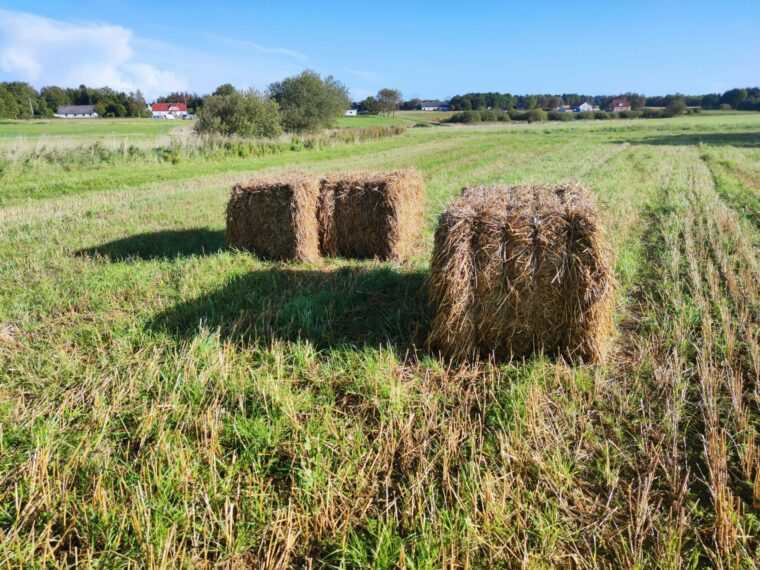
Windrowing hay is the process of raking cut hay into uniform rows (windrows) to speed up drying and prepare for efficient baling.
When and How Windrowing Is Used in Haymaking:
Windrowing is an essential step for harvesting alfalfa, grass hay, and mixed forages. It ensures even drying and organizes hay for smooth pickup by balers.
Why Windrowing Matters for Forage Quality and Efficiency:
Proper windrowing reduces moisture faster, preserves nutrients, and prevents leaf loss—helping maintain feed value and reduce harvest losses.
3. Winter Wheat Harvest
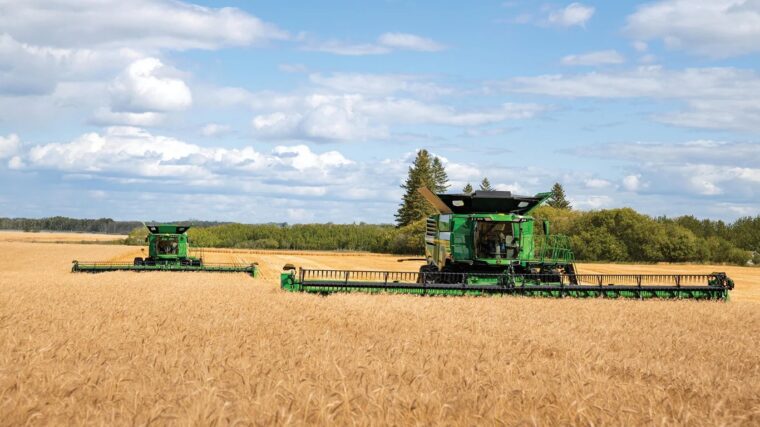
Winter wheat harvest refers to the harvesting of wheat planted in the fall and matured through winter, usually completed in late spring or early summer.
How Harvest Timing Affects Profit and Performance:
Proper harvest management influences final yield, test weight, and grain moisture—all key factors in determining market value and storage quality.
4. Winter Wheat Harvest Dates
Peak winter wheat harvest dates vary by region and are based on local climate, crop maturity, and historical trends. Farmers monitor growth stages and weather patterns to identify the ideal window for cutting.
Why Harvest Timing Matters for Winter Wheat:
Correct timing affects grain moisture, test weight, and overall quality. Delayed harvest can reduce market value, while early cutting may impact yield and storage stability.
5. Wheat Life Cycle
A wheat life cycle is the complete development process of a wheat plant, starting with seed germination and ending with harvest maturity.
Key Growth Stages in the Wheat Life Cycle:
Wheat progresses through several key stages: emergence, tillering, jointing, booting, heading, flowering, grain fill, and ripening. Each phase plays a role in determining yield and grain quality.
Crop Stage Awareness = Better Yield Outcomes:
Understanding each stage helps farmers make timely decisions on fertilizer use, irrigation timing, pest and disease control, and harvest readiness. This leads to better yield and more efficient use of inputs.
X – Agriculture Terms Starting with X
1. Xeric Plant
A xeric plant is a drought-resistant plant species naturally adapted to thrive in dry, low-water environments such as arid landscapes or xeriscaped gardens.
Why Xeric Plants Are Ideal for Dry Landscapes:
Xeric plants help reduce water use, improve landscape resilience, support sustainability, and lower maintenance requirements in challenging growing conditions.
Y – Agriculture Terms Starting with Y
1. Yellowing Grass Causes
Grass discoloration is caused by stress factors like nutrient deficiency, poor drainage, drought, pests, or fungal disease in turf or pasture systems.
How to Identify and Fix Yellowing Grass:
Accurate diagnosis is key. Solutions may include applying nitrogen, improving soil drainage, adjusting irrigation schedules, or treating for pests or disease.
Why Grass Health Matters:
Healthy grass supports forage productivity, improves visual appeal in managed landscapes, and protects soil from erosion and compaction.
Exploring the Final Rows: Key Agriculture Terms
This concludes our deep dive into essential agriculture terms, practical farming language, and foundational terminology that shapes modern agriculture. These terms reflect the systems, practices, and innovations driving today’s food and farming industries. We hope this guide has helped deepen your understanding of the agricultural concepts and farm terms that matter most.
If you’re looking for agriculture equipment, contact your local John Deere dealer or explore available equipment on MachineFinder to browse listings and find the right fit for your operation.