As the summertime air slowly moves out and fall creeps in, the nation’s corn farmers prepare for their annual fall harvest, with big yields on their minds. The U.S. corn harvest season typically lasts an average of 2 months, although timing varies across the country. Texas, for example, has a three-and-a-half-month harvest period.
The visual guide below shows typical U.S. corn harvest dates and how the season differs across the country.
Key Takeaways
- Corn is generally harvested from late summer through fall, although the timing varies by state, climate, and crop maturity.
- In the Corn Belt, corn-for-grain harvest season typically begins in September, while southern states may start earlier.
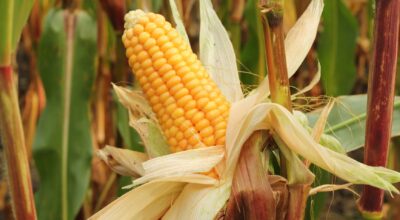
- Field corn remains on the stalk longer than sweet corn so its kernels can mature and lose moisture before harvest.
- The state-by-state dates below are typical historical ranges based on the USDA’s 2010 report, and current USDA crop progress reports provide the most updated information on current corn harvests.
When is the Corn Harvested in the United States?
Corn is typically harvested in the United States from late summer through fall. In the Corn Belt, where most of the nation’s corn is produced, corn-for-grain harvest commonly begins in September. Harvest may begin as early as July or August in some southern states and continue into November or December in northern states.
What Determines When Corn is Ready to Harvest?
The optimal time for a corn harvest depends on factors such as corn type, planting date, climate, and corn maturity, which farmers monitor by observing kernel moisture, color, and texture to determine the ideal time to harvest.
Corn Type and Intended Use
Sweet corn and field corn are harvested at different stages of maturity. Sweet corn is picked while the kernels are tender and contain more moisture and sugar. Field corn remains on the stalk longer so the kernels can fully mature and dry. Corn grown for silage is harvested earlier than corn for grain because the entire plant must retain enough moisture for proper storage and fermentation.
Planting Date and Hybrid Maturity
Corn planted earlier will generally reach maturity sooner than corn planted later under similar growing conditions. Different corn hybrids also require different amounts of time and heat to mature, so farmers select hybrids that work well with the length and conditions of their local growing season.
Weather and Growing Conditions
Temperature, rainfall, drought, and other growing conditions can accelerate or delay crop development. Wet weather can also prevent equipment from entering fields, while droughts or severe storms may weaken stalks and require farmers to prioritize certain fields before additional crop loss occurs.
Kernel Moisture and Crop Maturity
Field corn reaches maturity when the kernels have finished accumulating dry matter, but it may remain in the field afterward to lose additional moisture. Farmers monitor grain moisture to determine whether the crop can be harvested efficiently and how much drying it may require before storage. Waiting can reduce drying needs, but leaving mature corn in the field longer can increase its exposure to stalk lodging, ear loss, unexpected weather or pests.
Harvesting, Drying, and Storage Capacity
Harvest timing also depends on whether a farm has the equipment, labor, drying capacity, and storage space needed to handle the crop. Corn harvested at a higher moisture level generally requires more drying before it can be stored safely. Farmers balance drying costs and operational capacity against the risks of leaving mature corn in the field.
What are the Typical Corn Harvest Dates by State?
The following dates are based on the USDA’s 2010 Field Crops: Usual Planting and Harvesting Dates report, the most recent USDA publication providing comprehensive corn harvest ranges by state. These dates represent typical historical windows rather than current-year predictions. Actual harvest timing varies based on planting dates, climate, crop maturity, grain moisture, and field conditions.
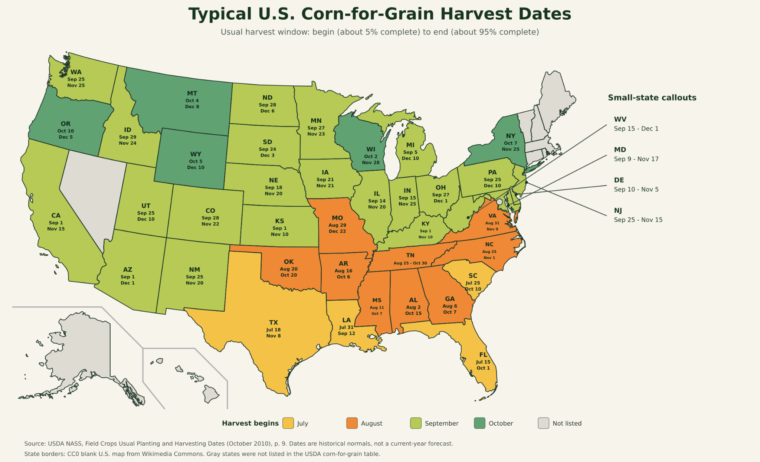
| State | Typical Harvest Start Date | Typical Harvest End Date |
| Alabama | August 2 | October 15 |
| Arizona | September 1 | December 1 |
| Arkansas | August 16 | October 6 |
| California | September 1 | November 15 |
| Colorado | September 28 | November 22 |
| Delaware | September 10 | November 5 |
| Florida | July 15 | October 1 |
| Georgia | August 6 | October 7 |
| Idaho | September 29 | November 24 |
| Illinois | September 14 | November 20 |
| Indiana | September 15 | November 25 |
| Iowa | September 21 | November 21 |
| Kansas | September 1 | November 10 |
| Kentucky | September 1 | November 10 |
| Louisiana | July 31 | September 12 |
| Maryland | September 9 | November 17 |
| Michigan | September 5 | December 10 |
| Minnesota | September 27 | November 23 |
| Mississippi | August 11 | October 7 |
| Missouri | August 29 | December 22 |
| Montana | October 4 | December 8 |
| Nebraska | September 18 | November 20 |
| New Jersey | September 25 | November 15 |
| New Mexico | September 25 | November 20 |
| New York | October 7 | November 25 |
| North Carolina | August 25 | November 1 |
| North Dakota | September 28 | December 6 |
| Ohio | September 27 | December 1 |
| Oklahoma | August 20 | October 20 |
| Oregon | October 10 | December 5 |
| Pennsylvania | September 25 | December 10 |
| South Carolina | July 25 | October 10 |
| South Dakota | September 24 | December 3 |
| Tennessee | August 25 | October 30 |
| Texas | July 18 | November 8 |
| Utah | September 25 | December 10 |
| Virginia | August 31 | November 9 |
| Washington | September 25 | November 25 |
| West Virginia | September 15 | December 1 |
| Wisconsin | October 2 | November 28 |
| Wyoming | October 5 | December 10 |
How to Check Current Corn Harvest Progress
Because weather and field conditions affect each year’s schedule, historical harvest windows cannot predict exactly when harvest will occur in a particular season. The USDA’s weekly Crop Progress reports show the percentage of corn harvested nationally and in reporting states, along with comparisons to the previous year and five-year average.
Prepare for The Fall Corn Harvest Season with John Deere Equipment
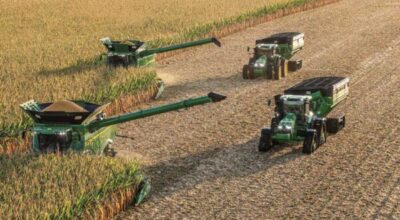
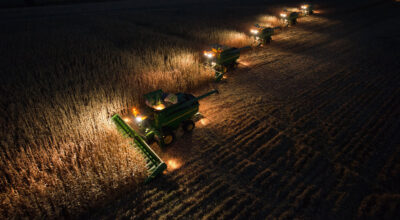
John Deere harvesting equipment also helps farmers get the most out of their corn harvest. It’s designed with advanced technology and innovative features for efficient and precise harvesting. John Deere offers a range of reliable equipment, from powerful combines to corn headers, that can handle the demands of the field.
To find your nearest dealer, check out the John Deere dealer locator.
Corn Harvest Season FAQs
Here are some of the frequently asked questions about corn harvest dates:
1. How Long is the Corn Growing Season?
The corn growing season can vary in length due to factors like corn variety, climate, and growing conditions. Corn plants need a specific number of days to mature and produce ears of corn, which can be anywhere from 60 to 100 days or longer.
2. Does Corn Have to be Replanted Every Year?
Yes, corn is an annual crop; it must be replanted yearly. It grows from seeds and needs warm weather and enough sunlight to thrive. After harvesting, the field must be cleared and new seeds planted for the next season.
3. How Do You Harvest and Store Corn?
Check the moisture content of the kernels to determine if they’re ready for harvest (around 15-20%). Harvest using a combine harvester that cuts the stalks and separates the kernels from the cob. Dry the corn after and store it properly in a cool, dry place to maintain quality and prevent spoilage.
4. How Many Times Can You Harvest Corn a Year?
Corn is an annual crop that needs to be planted every year and harvested once a year. Given adequate growing conditions, corn can be produced in two or four ears depending on its variety. How much corn you are able to harvest successfully depends on the quality of care you give to your crops.
5. What to Do After Harvesting Corn?
Dry and store the corn properly to avoid spoilage, and let it cure in a well-ventilated area. Remove any debris or foreign matter from the corn before storing it. Lastly, keep good records to track the harvest’s success and make informed decisions for future seasons.
6. What Happens if You Wait Too Long to Harvest Corn?
If you wait too long to harvest corn, kernels get old and lose their sweetness and tenderness. The sugars turn to starch, making it taste and feel worse, and the corn gets dry and tough, making it hard to chew and unappetizing. Bugs and animals might also come and ruin the crop, reducing how much you get.