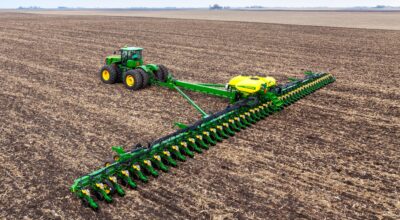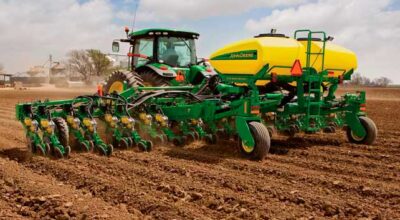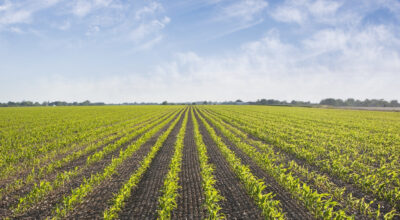
A major advancement in planting technology in its time, the John Deere 7000 planter helped shape how many row crop planters are designed today. Built to place seeds at uniform depth and spacing across the field, it improved both accuracy and emergence with its MaxEmerge system.
First introduced in the 1970s and produced through the 1980s, the 7000 remains in use today, continuing to deliver reliable performance when properly maintained and adjusted. This guide covers its key features, performance, and what continues to make it a practical option for many operations.

Key Takeaways
- The John Deere 7000 planter is known for its straightforward mechanical design and long-standing use across a wide range of farming operations.
- Its MaxEmerge planting system supports consistent seed placement, contributing to the planter’s reputation for dependable field performance.
- Planting results depend heavily on setup and maintenance, including meter calibration, row-unit condition, and proper adjustment in the field.
- The 7000 remains a practical option for budget-conscious operations due to lower entry cost and continued parts availability.
- Many units are still in use today and can be updated with newer components to better align with current planting practices.
What Is the John Deere 7000 Planter?
The John Deere 7000 planter is a mechanically driven row crop planter designed for consistent seed placement in crops like corn and soybeans. It was introduced as part of John Deere’s early MaxEmerge planter lineup and quickly gained widespread adoption.
From the start, it was recognized for delivering reliable seed spacing and emergence, helping establish it as a dependable option in the field. Over time, it built a strong reputation for simplicity, ease of maintenance, and consistent performance.
Today, many John Deere 7000 planters remain in use, supported by durable construction, operator familiarity, and the continued availability of replacement parts.
Key Features of the John Deere 7000 Planter
The John Deere 7000 planter was made with a straightforward design that prioritizes uniform consistent seed placement and reliability. Key features include:
- MaxEmerge Planting System
- Mechanical Drive and Seed Metering
- Row-Unit Design for Consistent Seed Placement
- Fertilizer and Insecticide Attachment Options
MaxEmerge Planting System
The MaxEmerge system is a core feature of the John Deere 7000 planter, built to support more consistent seed placement and emergence by improving how seeds are delivered into the trench.
This approach to seed delivery helped establish the planter’s reputation for dependable performance in the field. That reputation has carried forward, as many operators still rely on properly maintained units to produce consistent planting results today.
Mechanical Drive and Seed Metering
The John Deere 7000 planter uses a ground-driven mechanical transmission paired with mechanical seed meters to control seed population and spacing. As the planter moves, drive wheel rotation powers the system, keeping seed delivery matched to travel speed.
A straightforward mechanical layout keeps the system easy to understand and adjust. Proper meter setup is critical for maintaining accurate population and consistent spacing, making routine inspection and calibration essential for reliable performance.
Row-Unit Design for Consistent Seed Placement
Row units are the individual planting assemblies on a planter that control how seeds are placed in the soil. The John Deere 7000 planter is available in a range of row configurations, allowing operators to match planter size to their needs, and uses a MaxEmerge row unit built on a parallel linkage system to support consistent depth control across varying field conditions.
Like most planters, the 7000’s row units are built around a common set of components:
- Opener disks cut through soil and residue to form the trench
- Gauge wheels regulate planting depth by controlling how deep the opener disks run
- Closing components press soil back over the seed to complete the planting process
Because row units directly influence depth, spacing, and seed-to-soil contact, worn or misadjusted parts can lead to uneven depth and less uniform emergence.
Fertilizer and Insecticide Attachment Options
Many John Deere 7000 planters are equipped with fertilizer systems, including both dry and liquid setups. Some units also feature insecticide boxes or similar attachments.
Availability varies depending on the specific configuration and previous owner modifications, so equipment inspection is important when evaluating a used planter.
John Deere 7000 Planter: Performance in the Field
Beyond the planter’s original design, its performance depends on how it’s set up, maintained, and operated in the field.
Seed Spacing and Emergence Consistency
Consistent spacing starts with how evenly seeds are released and placed in the trench. Variability at this stage can lead to uneven competition between plants, which affects overall stand uniformity and yield potential.
Proper singulation, consistent depth, and good seed-to-soil contact all work together to create the right environment for each seed. Even small inconsistencies in meter performance or setup can lead to skips, doubles, or uneven emergence across the field.
Planting Speed Considerations
Planting speed affects the accuracy of seed placement from meter to trench. As speed increases, the risk of seed bounce or inconsistent placement does too.
Field conditions should also guide how fast you operate. Rough ground, residue, and uneven soil can amplify variability at higher speeds, making it important to match operating speed to field conditions rather than pushing for maximum coverage.
Why Setup Has a Big Impact on Results
Setup determines how consistently the planter performs across changing field conditions. Key factors include:
- Meter calibration set for the specific seed to maintain accurate population and spacing
- Depth settings adjusted to place seed at a consistent depth
- Downforce set to keep row units in firm contact with the soil without over-packing it
Incorrect calibration or downforce can lead to uneven depth and poor seed-to-soil contact. For used equipment especially, proper setup and ongoing adjustment are just as important as the planter itself in achieving consistent results.
Maintenance and Upkeep Considerations
Routine maintenance is key to keeping a John Deere 7000 planter performing as intended, as many issues can be traced back to worn or misadjusted components.
Routine Maintenance Needs
Keeping up with routine maintenance helps prevent performance issues during planting. Focus on:
- Inspecting chains and sprockets for wear, stiffness, and proper tension to ensure smooth power transfer through the drive system.
- Lubricating moving components including chains, pivots, and row-unit parts to reduce wear and keep systems operating smoothly.
- Monitoring wear on opener disks and closing wheels to maintain proper trench formation and consistent seed placement.
- Completing seasonal inspections before planting to identify worn or misaligned components.
Common Wear Parts to Monitor
Check several components for damage over time:
- Seed meters for wear or misalignment that can affect population and spacing
- Gauge wheels and bushings for looseness or wear that can impact depth control
- Chains and drive components for stretch, slack, or stiffness that can disrupt consistent operation
- Fertilizer system components for leaks or buildup that can affect application consistency
Why Maintenance Impacts Performance
Units can continue to perform reliably even after years of use, but only if they’re well-maintained. Key benefits of proper maintenance include:
- Consistent component performance to maintain uniform depth and spacing from row to row
- Reduced variability during operation to support even emergence and stand development
- Fewer in-field issues that prevent interruptions and maintain planting efficiency
Benefits of the John Deere 7000 Planter
The John Deere 7000 planter continues to be used across many operations due to its straightforward design and long-standing reputation in the field. Its main advantages include:
- Affordability
- Reliability
- Upgradability
- Versatility
Affordability
The 7000 is often available at a lower cost than newer planters, making it a practical option for budget-conscious buyers or smaller operations. Its mechanical design limits reliance on complex systems, and widely available replacement parts help keep ongoing repair costs manageable.
Reliability
The planter is widely known for its durable, proven design, with many units still operating decades after their original production. When properly maintained and adjusted, it can deliver consistent planting performance across seasons, which is a key reason it remains in use today.
Upgradability
Many John Deere 7000 planters have been updated over time with newer seed meters, monitors, and aftermarket components. These updates allow operators to improve accuracy, adapt to current planting practices, and extend the usable life of the planter without replacing the entire machine.
Versatility
The 7000 is commonly used for row crops such as corn and soybeans and is available in a range of row configurations to suit different operation sizes. Its design also allows operators to equip planting attachments like fertilizer or insecticide systems, depending on the setup and field requirements.
Is the John Deere 7000 Planter a Good Fit for Your Operation?
The John Deere 7000 planter can be a practical fit for small to mid-size farms, budget-conscious buyers, and operators who prefer straightforward planting equipment. With proper maintenance and setup, it continues to deliver reliable planting performance in the field.
Whether it’s the right fit for you depends on your operation, including acreage, crop type, and desired technology level.
Ready to explore available options? Connect with your local John Deere dealer or browse listings on MachineFinder to find a 7000 planter that fits your farm.
John Deere 7000 Planter FAQs
1. How Fast Can You Plant With a John Deere 7000 Planter?
Planting speed depends on field conditions, planter setup, and how well row units maintain consistent contact with the soil.
Many operators run at moderate speeds to maintain seed spacing and depth, adjusting as needed based on field conditions rather than pushing for maximum coverage.
2. How Much Horsepower Does a John Deere 7000 4-row Planter Need to Run?
Horsepower requirements vary by conditions and setup, but a 4-row planter is generally matched with smaller to mid-size tractors (50–100 HP range). Factors like terrain, soil type, and whether attachments are used can all influence the power needed.
3. How Much Does a John Deere 7000 Planter Weigh?
Weight varies depending on row configuration and any added attachments. In general, these planters are sized to be compatible with a range of mid-size tractors, with overall weight increasing as more row units or additional systems are added.
4. How Many Acres Per Hour Can You Plant With a 6-row Planter?
Acres covered per hour depend on planting speed, field conditions, and operational efficiency. In practice, operators balance speed with placement accuracy, which means actual field capacity can vary from one operation to another.