Every October 12, National Farmers Day recognizes the people who keep agriculture moving. For many U.S. farmers, the day falls during the busy fall harvest season, when months of planning, planting, crop care, and equipment preparation come together.
A successful harvest season may be one of the most visible parts of farming, but it represents only a fraction of the work farmers do throughout the year. Long before the combine reaches the field, farmers are preparing soil, tuning equipment, managing inputs, and coordinating labor. Once harvest ends, another round of fieldwork, maintenance, and planning begins.
National Farmers Day is a chance to recognize the skill and year-round work behind every harvest.
Key Takeaways
- National Farmers Day, celebrated on October 12, honors the skill, experience, and year-round work farmers bring to agriculture.
- Harvest puts months of preparation to the test as farmers balance crop readiness, weather, equipment, labor, transportation, and storage.
- Farmers’ work extends beyond the field to equipment management, costs, logistics, purchasing, and planning for the next season.
- Equipment and technology help farmers work more efficiently, but farmers’ knowledge and decision-making remain at the center of the operation.
What National Farmers Day Recognizes About the Work of Farming
Farming is a year-round responsibility that requires hands-on skill and long-term thinking. Decisions about crops, soil, equipment, labor, and costs must address an operation’s immediate needs while supporting future seasons.
For example, farmers have to consider sustainable agriculture practices like crop rotation, planting cover crops, and careful water and nutrient management, which help protect soil health, make the most of available resources, and maintain productivity for future growing seasons.
National Farmers Day recognizes the experience behind those decisions as well as the physical work required to carry them out.
Harvest Season Puts a Farmer’s Experience to Work
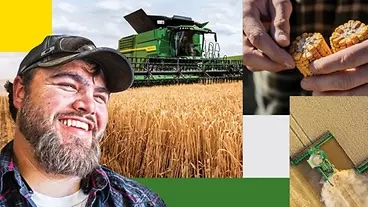
Preparing for harvest means monitoring crop maturity, inspecting and servicing equipment, lining up labor, and preparing storage so everything is ready when the crop is.
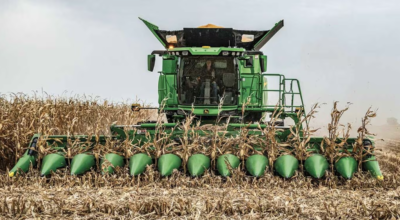
Once harvest begins, those plans have to come together within a limited window. Weather can move up the schedule, a full grain bin or transportation delay can stop grain from moving, and equipment trouble can cost valuable field time when the crop reaches the right moisture level.
Farmers weigh those conditions as they decide which fields to harvest, when to run, and how to adjust machine settings along the way. Harvest puts months of preparation to the test while requiring quick decisions as conditions change.
The Work Farmers Do Extends Far Beyond the Field
Some of farming’s most important work happens outside the tractor cab.
Farmers order inputs, coordinate transportation, track costs, and keep records. After each season, they review what worked, what didn’t, and what should change the next time around.
Priorities also change with the calendar. Before planting, that may mean lining up seed and inputs, scheduling labor, and finalizing field plans. During the growing season, attention shifts to crop conditions and using equipment and precision agriculture technology to manage fieldwork.
Together, these responsibilities require farmers to manage the people, resources, and schedules behind an operation as well as the crops in the field.
How Modern Equipment Supports the People Behind the Operation
Equipment needs vary by crop, acreage, terrain, field conditions, and workload. Common tools that support that work include:
- Tractors, which provide power for jobs ranging from field preparation and planting to mowing, material handling, and post-harvest work.
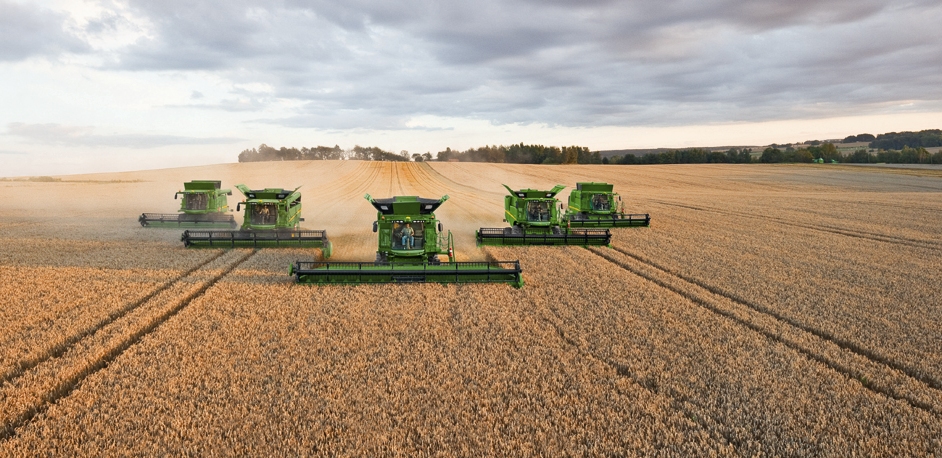
- Combines, perform the cutting, threshing, separating, cleaning, and collection of grain crops while helping minimize grain loss.
- Precision agriculture technology, which helps farmers monitor completed work, utilize guidance and documentation systems, and use field data to make management decisions.
The value of each capability ultimately depends on how well it fits the operation and the conditions in the field.

When the Crop Is Out of the Field, the Work Continues
Once harvest wraps up, farmers’ attention turns to what the fields and machines need next.
Post-harvest equipment preparation includes cleaning machines, inspecting them for wear or damage, and making repairs. Addressing issues before storage helps prevent deterioration and prepares the machine for smoother operation next season.
There’s also fieldwork to finish. Depending on the operation, farmers may manage residue, plant cover crops, prepare soil, maintain pastures, or repair field edges and driveways worn down by harvest traffic. Completing these jobs in the fall can leave fields better prepared for spring.
With the season still fresh, farmers can also review what worked and what created challenges. That may mean identifying equipment that needs replacement or updating planting dates and harvest schedules based on this year’s results.
Celebrating the Farmers Who Keep Agriculture Moving
No two farms look exactly alike: one farmer may manage thousands of acres of corn and soybeans, while another grows specialty crops, raises livestock, or works a smaller family operation. What those operations have in common is the need to continually decide what comes next.
Sometimes that means catching a mechanical problem before it costs a day in the field. Other times it means changing plans around a forecast, working late to finish a field, or making a decision with next season in mind. Farming depends on people who know their land, equipment, and operation well enough to make those calls.
National Farmers Day is an opportunity to honor these people. Whether that means simply saying thank you or finding a gift for the farmer in your life, October 12 is a day to celebrate farmers’ knowledge of and commitment to agriculture.
National Farmers Day: A Year of Work Worth Recognizing
October 12 puts National Farmers Day on the calendar, but the work it recognizes happens every day.
From preparing fields and caring for crops to bringing in the harvest, farmers produce food, feed, fiber, fuel, and other agricultural products that communities and industries depend on. National Farmers Day pays tribute to the people always looking ahead to the next field, crop, and season.
Explore John Deere agriculture equipment available through MachineFinder to compare equipment for the work ahead, or contact your local John Deere dealer for help finding equipment that fits the needs of your operation.
National Farmers Day FAQs
1. What Is National Farmers Day?
National Farmers Day is observed on October 12 and recognizes the contributions farmers make to producing food, fiber, fuel, and other agricultural products while supporting local communities and economies.
2. How Can I Celebrate National Farmers Day?
You can celebrate by thanking a farmer, buying from local producers, visiting a farmers market, or learning more about the work that goes into cultivating the agricultural products you use every day.
3. What Are Meaningful Ways to Support Farmers Year-Round?
Buy from local and regional producers when possible, support agricultural businesses, and learn how farms in your area contribute to the local economy and food system. Sharing that knowledge with others allows people to see the work behind the products they purchase.
4. How Can Communities Support Farmers Beyond National Farmers Day?
Communities can support farmers by protecting access to farmland and agricultural infrastructure and creating opportunities for farmers to connect directly with customers. Strong local relationships can help keep agricultural businesses involved in the communities they serve.
5. How Has Modern Farming Changed the Way Farmers Work?
Modern equipment and precision agriculture technology can help farmers reduce overlap, track completed work, use data to make adjustments, and operate in the field more efficiently.
6. How Can National Farmers Day Help Share the Story of Modern Agriculture?
National Farmers Day can highlight the planning, fieldwork, maintenance, business management, and decision-making behind farming. Sharing that broader picture helps people see that agriculture depends on year-round work, not just what happens during planting or harvest.