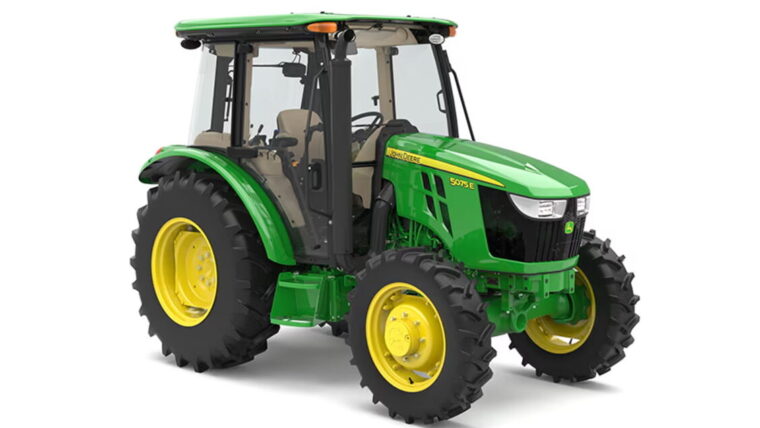
Cold weather affects how a tractor starts, maintains traction, and responds hydraulically. The John Deere 5075E is a utility tractor that can handle snow removal, livestock work, and property maintenance even in winter conditions. This tractor is available in both its original 75 HP configuration and a new 71.3 HP version.
However, performance depends on how the 5075E is set up. The right combination of attachments, traction support, and cold-weather preparation determines how efficiently it works once temperatures drop.
This guide breaks down how the 5075E performs in winter, the challenges to expect, and the modifications and attachments that can help you get the most out of it in cold conditions.
Key Takeaways
- The John Deere 5075E is a versatile utility tractor that handles winter tasks effectively with the right attachments, traction setup, and proper cold-weather preparation.
- Cold weather impacts starting, hydraulics, and traction, making warm-up routines, fuel management, and operator technique important for consistent performance.
- Transmission type, tire setup, and ballast affect control on snow and ice, especially during loader work or frequent direction changes.
- Attachments like loaders, blades, and snow blowers determine efficiency, with each suited to different snow depths, property sizes, and conditions.
- Choosing the right setup depends on property size, workload, and budget, balancing lower-cost traction upgrades with higher-performance attachment options.
How the John Deere 5075E Performs in Winter Conditions
Cold weather and snow change how a tractor performs in the field. Here’s how the John Deere 5075E handles those conditions in everyday operation.
Engine Performance in Cold Weather
Why it’s a concern: Cold weather affects how diesel engines start and run, especially after sitting for extended periods. Key concerns include:
- Starting reliability: Lower temperatures make engines slower to turn over, increasing strain on the battery during cold starts.
- Fuel behavior: Diesel fuel can thicken in cold conditions, which can impact combustion and overall efficiency.
How the 5075E is built for it: Available in 75 HP in earlier configurations and 71.3 HP in the most recent model, the 5075E’s PowerTech™ diesel engine is designed for consistent starts and dependable operation, allowing it to handle cold-weather startups more reliably when properly prepared.
How to ensure high performance: Using a block heater or coolant heater, along with maintaining proper fuel quality, helps improve starting performance and reduces engine strain in low temperatures.
Hydraulic System Behavior in Low Temperatures
Why it’s a concern: Cold temperatures slow hydraulic response by thickening fluid, especially during startup and initial operation.
How the 5075E is built for it: The John Deere 5075E’s 18.2 gpm hydraulic system provides steady power for loaders and attachments, even in winter conditions.
How to ensure high performance: It performs best when the tractor has idled briefly before taking on heavier loads, giving the hydraulic fluid time to circulate and warm. Once warmed, the system delivers smooth performance, giving operators reliable control during tasks like lifting, steering, and implement operation.
Transmission and Handling in Snow
Why it’s a concern: Cold weather and snow can make tractor operation less predictable, affecting traction, steering response, and how smoothly direction changes can be made. In these conditions, transmission control becomes more important for maintaining stability and precision.
How the 5075E is built for it: The 5075E is available with multiple transmission options designed to support controlled operation in varying conditions:
- SyncShuttle™: A 9F/3R transmission that requires clutch use for forward and reverse changes, offering smooth, controlled shifting for steady operation.
- PowrReverser™: A 12F/12R clutchless transmission that allows quick forward and reverse changes using a left-hand lever, making it easier to switch directions repeatedly.
- eHydro™: An electronically controlled hydrostatic transmission only available on the latest model that delivers seamless speed control, and smooth, clutch-free operation using Twin Touch™ pedals.
How to ensure high performance: Choosing the right transmission for your work style can improve efficiency and control. SyncShuttle is better suited for steady tasks with fewer reversals, such as clearing long driveways or working in open areas. PowrReverser is more efficient for jobs that require frequent back-and-forth movement, like loader work or clearing tight spaces. The eHydro transmission, which is available on the latest model of E075E, is designed for jobs that demand precise speed and direction adjustments without the need for clutching or shifting.
Key Winter Challenges for the 5075E
Winter brings a new set of challenges for operators, including:
- Traction loss on snow and ice
- Cold starts and idle time
- Visibility and operator comfort
Traction Loss on Snow and Ice
Traction is one of the biggest challenges in winter, as snow and ice reduce tire grip and make surfaces less predictable. Drive configuration plays a key role in maintaining control, and the John Deere 5075E is available in both mechanical front-wheel drive (MFWD) and two-wheel drive (2WD).
MFWD engages both the front axle and rear wheels to improve grip and stability in slick conditions. In contrast, 2WD relies on rear-wheel power and can still handle lighter tasks, but may need additional traction support depending on the surface and workload.
Cold Starts and Idle Time
Cold weather puts added strain on starting systems and engine components, especially after the tractor has been sitting and/or if the engine isn’t given enough time to warm up. Common effects include:
- Slower starts: Engines take longer to turn over in low temperatures, especially as fuel begins to thicken.
- Battery strain: Repeated cold starts place additional load on the battery, which can impact reliability over time.
Visibility and Operator Comfort
Winter work often means reduced visibility, as changing conditions make it harder to see work areas clearly. Common challenges include:
- Snow glare, which reflects light and can make it difficult to distinguish surfaces and edges.
- Blowing snow, which reduces visibility during operation, especially in open or windy conditions.
- Low light from shorter days, which limits visibility during early morning and late-day work.
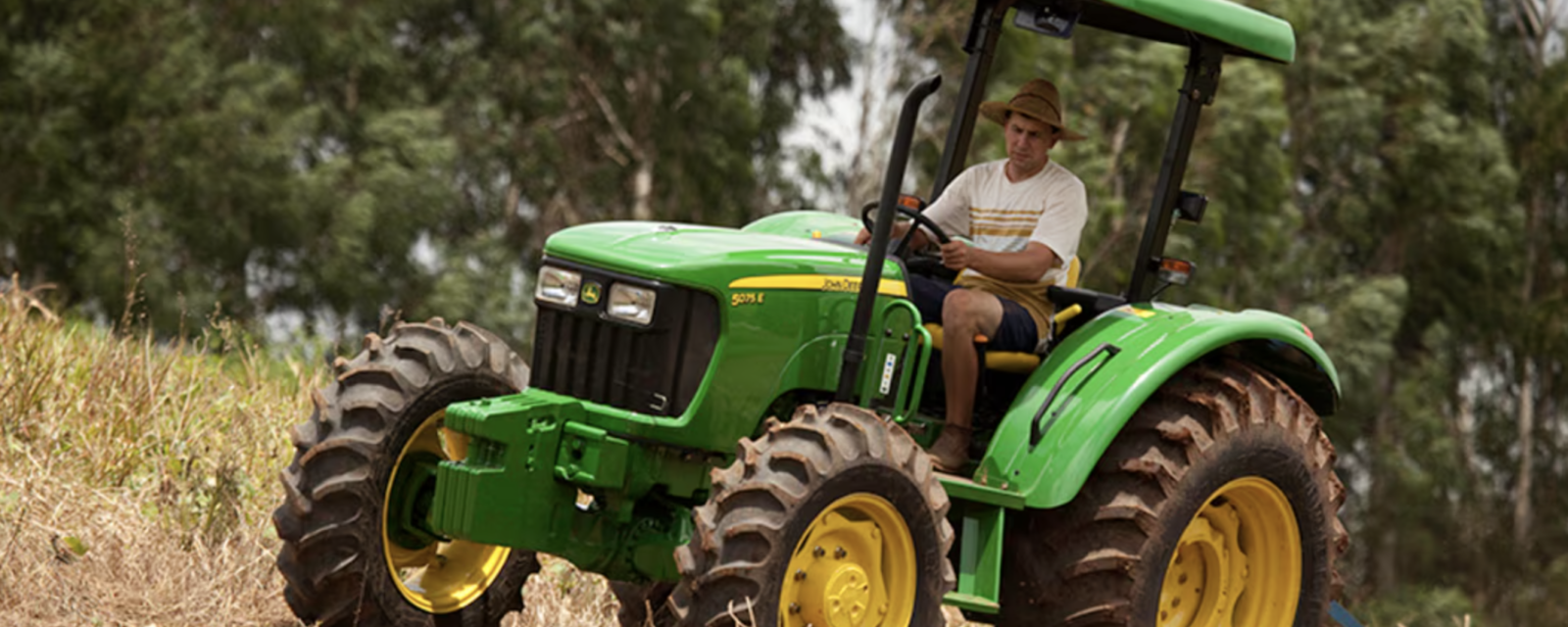
Operators in open station tractors also face exposure to cold and wind, which can lead to fatigue over longer work periods.
Best Modifications for Winter Performance
A few targeted upgrades can improve how the 5075E performs in winter. Some modifications include:
- Tire chains and ballast
- Cab additions and weather protection
- Lighting upgrades for short winter days
- Cold weather engine prep
Tire Chains and Ballast
Tire chains and ballast are two common ways to improve traction on snow and ice.
- Tire chains are metal links wrapped around the tires to create additional grip, helping reduce wheel slip during tasks like plowing or working on uneven terrain.
- Ballast adds weight to the tractor through wheel weights or liquid-filled tires, improving traction by increasing how effectively the tires contact the ground.
Proper ballasting is especially important when using a front loader, as it helps balance the tractor and maintain control during lifting and moving operations.
Cab Additions and Weather Protection
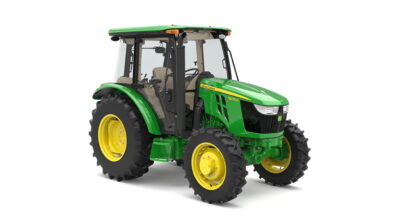
Adding a cab or enclosure helps protect operators from wind, cold, and blowing snow, which both limits fatigue and helps maintain visibility around the work area. Heating systems can further improve operator comfort in low temperatures, helping maintain focus during extended winter tasks.
Lighting Upgrades for Short Winter Days
Winter often means working in low-light conditions, especially during early mornings and late afternoons. LED lights now come standard on the base model of the 5075E.
Adding work lights improves visibility around the tractor and attachments, making it easier to see edges, obstacles, and work areas clearly. Better visibility supports more precise operation and helps reduce the risk of missed spots or unsafe movements.
Cold Weather Engine Prep
Cold weather checks before starting the tractor help reduce starting issues and minimize downtime. Before beginning work, confirm:
- Engine heaters are in use to warm the engine before startup, making cold starts easier and reducing strain on components.
- Battery condition is strong, as colder temperatures increase the load on the starting system.
- Winter-grade fuel is being used to improve flow and combustion in low temperatures, helping prevent fuel-related starting issues.
These checks help improve starting reliability and keep the tractor running consistently in cold conditions.
Best Attachments for the John Deere 5075E in Winter
The 5075E runs a wide range of attachments, allowing it to handle different winter tasks efficiently. Common winter attachment options include:
- Front loader with bucket or snow pusher
- Rear blade for snow removal
- Snow blower attachments
- Bale spears and feed handling tools
Front Loader with Bucket or Snow Pusher
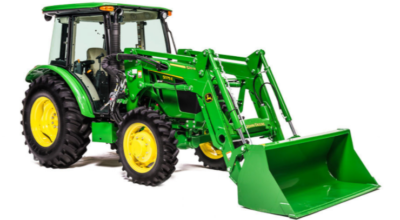
A front loader, such as the 520M, adds lifting and material-handling capability to the 5075E, making it a key tool for winter work. Operators can switch between a bucket for scooping, lifting, and piling snow, or a snow pusher for clearing larger areas more quickly and efficiently.
Rear Blade for Snow Removal
Rear blades offer a simple, efficient way to clear snow from driveways and roads. Adjustable angles let operators direct snow off to the side, making them well-suited for maintaining long paths and access routes.
Snow Blower Attachments
Snow blowers are effective in deep snow or confined areas where pushing snow isn’t practical. By removing snow rather than piling it, they help prevent buildup and keep tight spaces clear.
Bale Spears and Feed Handling Tools
For livestock operations, winter work includes feeding and material handling in challenging conditions. Bale spears and similar attachments make it easier to move hay and maintain consistent feeding routines in snow-covered areas.
Choosing the Right Winter Setup for Your Operation
The right setup depends on how the tractor is used. Matching equipment to your operation improves efficiency and reduces unnecessary strain on the machine. Keep in mind:
- Property size and snow volume
- Type of work
- Budget vs. performance tradeoffs
Property Size and Snow Volume
When it comes to clearing snow, the right attachment depends largely on your property size. Smaller properties with light snowfall can often be managed with a rear blade or loader for quick clearing. Larger areas such as long driveways, lots, or open farmyards with frequent or heavy accumulation may require a snow blower to handle buildup more efficiently and reduce the need for repeated passes.
Type of Work
The type of work determines which attachments are most useful. Property maintenance often involves clearing driveways, paths, or small lots where maneuverability matters, making a rear blade a practical choice.
For farm operations that involve clearing snow, feeding livestock, and moving materials in the same day, a front loader with interchangeable attachments allows operators to switch between tasks without changing equipment.
Budget vs. Performance Tradeoffs
Some upgrades deliver more impact than others, depending on how the tractor is used. Tire chains and ballast offer a lower-cost way to improve traction without upgrading to more expensive tires.
Attachment choice also affects overall productivity. Rear blades are a cost-effective option for light clearing, loaders add versatility across tasks, and snow blowers handle deeper snow more efficiently with fewer passes.
Best Practices for Operating the 5075E in Winter
Proper preparation and operation helps keep the 5075E running reliably in cold, low-traction environments. Best practices include:
- Warm-up and startup routine
- Safe operating techniques
- Preventing wear and damage
Warm-Up and Startup Routine
Allow the engine and hydraulic systems time to reach operating temperature before heavy use. Warming up the tractor helps fluids circulate properly, improving responsiveness and reducing strain on components.
Safe Operating Techniques
Operate at slower speeds and avoid sudden movements on snow and ice. Smooth inputs help maintain traction and reduce the risk of slipping during turns, stops, or directional changes.
Preventing Wear and Damage
Cold conditions increase stress on mechanical systems, especially during startup. Avoid applying heavy loads before the tractor is fully warmed, and regularly check fluid levels and tire condition to prevent unnecessary wear.
Get Your John Deere 5075E Ready for Winter Work
The John Deere 5075E is a versatile utility tractor capable of handling a wide range of winter tasks. With the right setup and preparation, it can maintain strong, consistent performance in cold conditions.
Choosing the right attachments, improving traction, and preparing for cold weather all contribute to more efficient, reliable operation. To find available John Deere 5075E models, explore listings on MachineFinder or connect with your local John Deere dealer for guidance on the right winter setup for your operation.

John Deere 5075E Winter FAQs
1. Is the John Deere 5075E Good For Snow Removal?
Yes, the 5075E is well-suited for snow removal when equipped with the right attachments. Front loaders, rear blades, or snow blowers — combined with proper traction setup — allow it to handle everything from light clearing to heavier accumulation.
2. Do You Need Tire Chains on a 5075E in Winter?
Tire chains are not always required, but they can significantly improve traction on ice and packed snow. They are especially useful on slopes, hard surfaces, or when pushing heavy snow loads.
3. What Attachments Work Best for Snow Removal on a 5075E?
Front loaders, rear blades, and snow blowers are the most common options. Loaders offer versatility, blades are efficient for long passes, and snow blowers are better suited for deep snow or confined areas.
4. How Do You Start a Diesel Tractor in Cold Weather?
Using an engine heater, maintaining a strong battery, and allowing proper warm-up time all help improve cold starts. Winter-grade fuel can also help prevent starting issues in low temperatures.
5. Is a Cab Necessary for Winter Tractor Work?
A cab is not required, but it improves comfort and reduces exposure to wind, cold, and blowing snow so operators can stay focused and productive.