Hydraulic hoses, belts, and other wear parts are constantly exposed to pressure, friction, and movement. They need to be replaced regularly to ensure consistent performance and avoid unscheduled downtime or complex repairs. The challenge is that these issues often develop gradually, and without regular checks, they’re easy to overlook.
This guide breaks down how to identify early signs of wear and when to replace key parts, helping you avoid unexpected downtime, protect your equipment, and keep work moving.
Key Takeaways
- Hydraulic hoses, belts, and other wear parts face constant stress, and catching early damage helps prevent failures that can stop equipment unexpectedly.
- Damage, leaks, or pressure-related wear all signal it’s time to inspect and likely replace a hydraulic hose.
- For belts, cracking, slipping, or loss of tension indicate declining performance and the need for replacement.
- Wear parts should be replaced based on visible damage, performance changes, and service intervals to prevent added strain on surrounding components.
- Replacing worn out parts early helps avoid downtime, maintain performance, and reduce the risk of more complex and costly repairs over time.
What are Hydraulic Hoses, Belts, and Wear Parts?
Hydraulic hoses, belts, and other wear parts work together to power key systems and keep equipment operating as expected.
What Hydraulic Hoses Do
What are they? Hydraulic hoses move pressurized fluid throughout the machine’s hydraulic system, enabling key functions like lifting, steering, and attachment operation on equipment such as tractors, excavators, loaders, and combines.
Why are they important? Hydraulic systems rely on steady, controlled fluid movement to operate correctly. As hoses wear, flow can become inconsistent, leading to slower response, reduced lifting capability, or leaks that affect overall system reliability.
What Belts Do
What are they? Belts transfer power between moving parts, allowing components like fans and alternators to operate properly on equipment like tractors, combines, loaders, and other heavy machinery. They depend on consistent tension and surface grip to keep everything running smoothly.
Why are they important? When a belt begins to wear, it can lose tension or grip, which reduces how effectively power is transferred. This often shows up as slipping or inconsistent performance across connected components.
What Counts as a Wear Part on Equipment
What is it? Wear parts are components that naturally degrade over time with regular use. This includes hydraulic hoses, belts, seals, bushings, and other high-contact parts exposed to constant movement, pressure, or friction.
Why is it important? As these parts wear down, they can affect how smoothly systems operate and place added strain on surrounding components. Replacing them at the right time helps prevent smaller issues from turning into larger repairs and keep equipment operating as intended.
When to Replace Hydraulic Hoses
Hydraulic hoses typically show signs of wear before they fail, including common issues like:
- Cracking, leaks, and visible damage
- Loose or damaged fittings
- Hose wear caused by heat, pressure, or abrasion
Cracking, Leaks, and Visible Damage
Visible damage is one of the clearest ways to see if a hydraulic hose needs attention. Common indicators include:
- Surface cracks
- Fluid leaks
- Bulging
- Worn outer layers
These conditions signal that the hose material is breaking down and may no longer withstand system pressure. Because hydraulic systems operate under high pressure, even minor damage can quickly lead to failure.
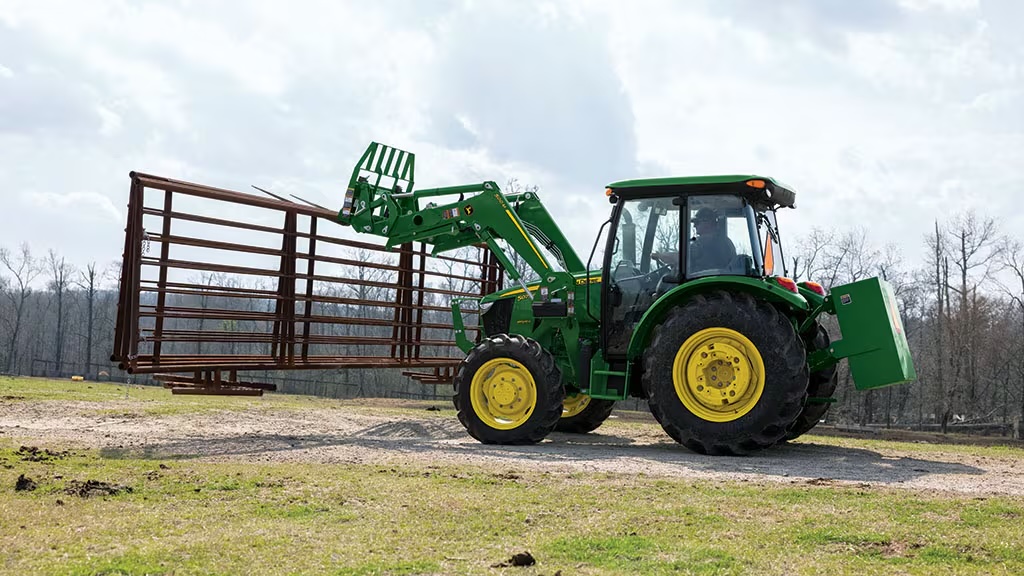
For example, a cracked hose on a tractor during planting can reduce lifting power and slow attachment response. A worn outer layer on a loader hose can expose it to abrasion, increasing the risk of sudden failure during material handling.
When any of these issues are present, the hose should be inspected immediately and, in most cases, replaced before it fails during operation.
Loose or Damaged Fittings
Hydraulic hose performance depends on secure, properly sealed fittings. Leaks at connection points or fittings that won’t stay tight often indicate the hose assembly is no longer maintaining proper pressure.
In many cases, this can signal wear at the hose ends or internal degradation. If tightening doesn’t resolve the problem, the hose should be replaced to restore proper pressure and prevent further system strain.
Hose Wear Caused by Heat, Pressure, or Abrasion
Not all hose wear is immediately visible. Continuous exposure to high pressure, heat, vibration, or contact with nearby components can weaken the hose from the inside out.
Hoses operating in these conditions should be replaced based on usage and environment, not just visible damage. If a hose has been exposed to sustained stress or harsh conditions, replacing it proactively can help prevent sudden failure during operation.
When to Replace Belts
Belts wear over time, often showing early warning signs before performance is affected. Look out for:
- Cracking, fraying, or glazing
- Slipping or loss of tension
- Wear caused by age and heavy use
Cracking, Fraying, or Glazing
Visible surface damage is a direct indicator that a belt is reaching the end of its usable life. This may look like:
- Cracks along the surface
- Frayed or uneven edges
- A shiny (glazed) appearance
These conditions reduce grip and prevent the belt from transferring power effectively. If any of these are present, the belt should be replaced before it begins to impact operation.
Slipping or Loss of Tension
When a belt slips, squeals, or won’t hold proper tension, that typically means it has stretched or worn beyond its ability to maintain consistent contact.
When tension adjustments no longer resolve the issue, the belt should be replaced to restore proper power transfer and prevent further system strain.
Wear Caused by Age and Heavy Use
Even without visible damage, belts lose strength and flexibility over time. High workloads, frequent use, and demanding conditions accelerate this process.
If a belt has been in service for an extended period or operating under heavy load, it should be replaced based on usage — not just appearance — to prevent unexpected failure.
When to Replace Wear Parts
Wear parts are designed to be replaced as they degrade, but delaying replacement can lead to performance issues and added strain on the machine. Key areas to monitor include:
- Signs of wear and material breakdown
- Reduced performance and operating issues
- Manufacturer intervals and routine inspections
Signs of Wear and Material Breakdown
Physical deterioration is often the most immediate reason to replace a part. Common issues include:
- Cracking or thinning material
- Corrosion or surface damage
- Warping or distortion
These conditions suggest the part can no longer handle normal operating stress. Once material breakdown is visible, replacement should be scheduled before the part fails under load.
Reduced Performance and Operating Issues
Changes in machine performance often signal that a part needs to be replaced. Leaks, unusual vibration, looseness, or inconsistent operation can all point to a component that is wearing out.
Once a part begins to affect operation, it has likely moved beyond normal wear and should be replaced to prevent further impact on the system and avoid more complex repairs.
Manufacturer Intervals and Routine Inspections
Some parts should be replaced based on service intervals, even if no issues are visible. Manufacturer guidelines provide a baseline for when parts are expected to wear out under normal conditions.
Routine inspections help catch additional wear that develops between those intervals. Using both ensures parts are replaced on time, before performance drops or unexpected failures occur.
Why It’s Important to Replace Worn Out Parts
Replace worn out parts quickly, before they affect machine operations:
- Helps prevent unexpected breakdowns
- Supports more reliable equipment performance
- Can help reduce repair costs over time
Helps Prevent Unexpected Breakdowns
Wear parts are most likely to fail when the machine is under load, not when it’s sitting idle. For example, a belt that looks fine at startup may snap during heavy operation on a combine, or a weakened hydraulic hose can burst while a tractor is lifting a load.
The resulting delays can be costly, especially if the work being done is time-sensitive. Replacing parts before they fail helps avoid sudden downtime and support consistent productivity.
Supports More Reliable Equipment Performance
As parts wear, performance becomes less consistent. A belt may begin to slip during demanding tasks, or a worn hose can cause slower, less precise hydraulic movement when operating attachments.
Replacing these components restores proper function, helping equipment respond and perform as expected throughout the job.
Can Help Reduce Repair Costs Over Time
One worn part can put extra strain on others. A damaged hose can lead to pressure imbalances in a tractor’s hydraulic system, while a slipping belt can place strain on connected components like pulleys or bearings.
Addressing wear early helps prevent damage from spreading, reducing the likelihood of more complex and costly repairs later on.
Keep Your Equipment Ready with Timely Part Replacement
Hydraulic hoses, belts, and other wear parts play a major role in how equipment like tractors, combines, and sprayers perform day to day.
Staying ahead of wear with regular inspections and timely replacement helps you avoid downtime, maintain consistent performance, and extend the life of your machine.
For help identifying worn out parts or planning replacement, contact your local John Deere dealer or browse available equipment on MachineFinder.

Hydraulic Hoses FAQs
1. What Are the Different Types of Hydraulic Hoses?
Hydraulic hoses come in several types for different pressure levels and applications, including braided hoses for moderate pressure and spiral hoses for high-pressure systems. The right type depends on how much pressure the system generates and how the equipment is used.
2. What Are the Different Sizes of Hydraulic Hoses?
Hydraulic hoses come in different inner diameters, which determine how much fluid can move through the system. Using the correct size is critical: a hose that’s too small can restrict flow, increase pressure, and generate excess heat, while one that’s too large can reduce efficiency and responsiveness.
3. How Long Do Hydraulic Hoses Typically Last on Heavy Equipment?
Hydraulic hose lifespan varies based on use and operating conditions. Under normal conditions, hoses may last several years, but exposure to high pressure, heat, abrasion, and frequent use can shorten that lifespan. Regular inspections are the most reliable way to determine when a hose should be replaced.
4. Should Hydraulic Hoses Be Replaced Based on Age Even if They Still Look Good?
Yes, hoses can weaken over time even when no visible damage is present. Replacing them based on service intervals helps prevent failures caused by internal material breakdown.
5. What Operating Conditions Cause Hydraulic Hoses to Wear Out Faster?
Heat, pressure spikes, constant movement, and contact with other components all accelerate hose wear. Hoses operating under these conditions should be inspected more frequently to catch issues early and prevent failure.
6. Can Cold Weather Damage Hydraulic Hoses or Increase the Chance of Failure?
Yes, cold weather can make hydraulic hoses stiff and brittle, reducing their flexibility and increasing the risk of cracking or failure, especially during startup or sudden movement.
Allowing the system to warm up before full operation helps restore flexibility, lowering the chance of damage in cold conditions.
7. Do Hydraulic Hoses Need to Match Exact Equipment Specifications When Replaced?
Yes, replacement hoses should match the original specifications for size, pressure rating, and compatibility with the system. Using an incorrect hose can restrict flow, reduce performance, or lead to premature failure under pressure.