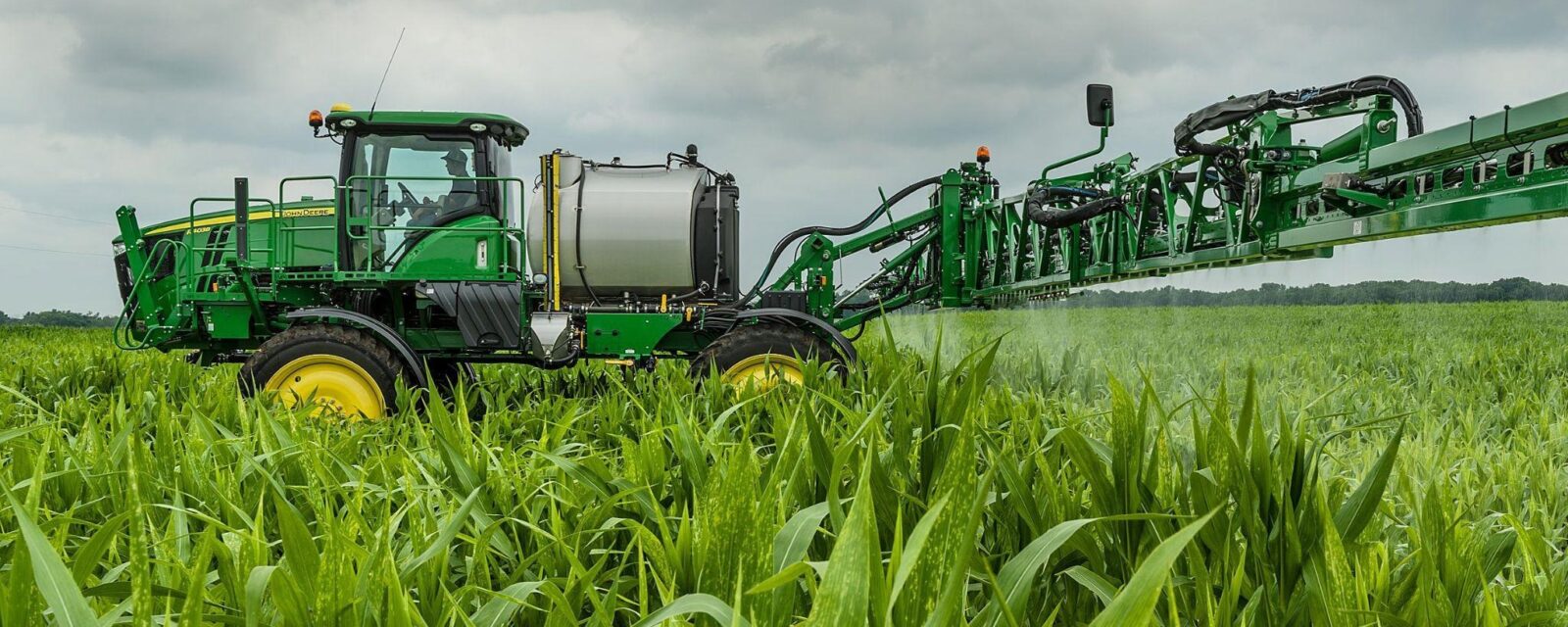
As part of our alphabetical exploration of agricultural terms, we’ve been taking a closer look at the language and practices that shape farming. In our last post, Agriculture Terms Part 2, we left off with the letter “L.” This week, we’re continuing with “M” by exploring minimum tillage.
M – Agriculture Terms Starting with M
- Minimum Tillage
- Mobile Agriculture
- Moldboard Plow
- Multifunctionality
1. Minimum Tillage
Minimum tillage is a soil conservation method that disturbs the soil as little as possible during planting and field prep, helping retain structure and organic matter.
How Is Minimum Tillage Used in U.S. Agriculture?
Popular across corn, soybean, and wheat farms in the Midwest and Southern states, minimum tillage is often paired with no-till or strip-till systems to balance productivity with long-term soil health.
How Does Minimum Tillage Support Soil and Resource Conservation?
Minimum Tillage reduces erosion, conserves moisture, cuts fuel use, and builds healthier soil over time.
Explore Equipment for Minimum Tillage Systems:
- Shop John Deere Chisel Plows for Minimum Tillage and Soil Conservation
- Browse No-Till and Strip-Till Planters & Seeders for Corn and Soybean Farms
2. Mobile Agriculture
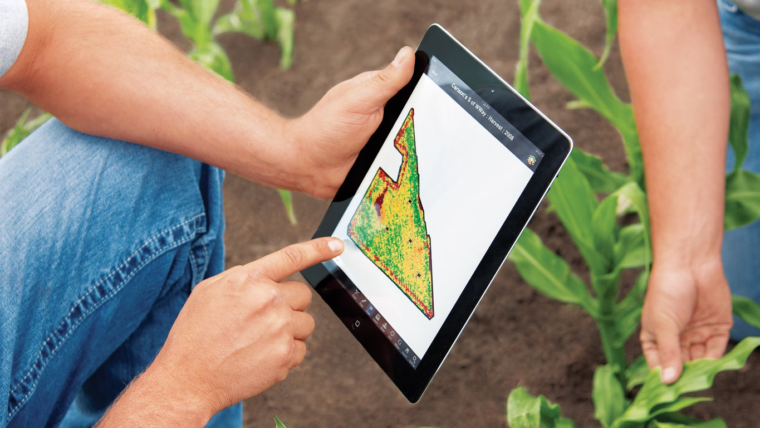
Mobile agriculture is the use of mobile devices and applications to support farming tasks, from data collection and crop management to market access and weather alerts.
How Mobile Technology Is Used on Farms:
Farmers use mobile tools for GPS-guided machinery, remote irrigation systems, crop scouting, weather alerts, and commodity pricing. These tools are common on farms of all sizes, from small operations to precision ag systems.
How Mobile Agriculture Improves Efficiency:
It enables real-time decision-making, reduces labor costs, and increases productivity—turning mobile devices into essential tools for modern farming.
Explore Mobile Farming Solutions:
- 5 Valuable John Deere Farm Management Apps
- How the John Deere Bale Mobile App Helps Manage Hay Harvesting in Real Time
3. Moldboard Plow
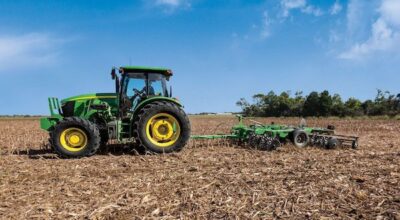
A plow with curved blades that breaks compacted soil, turns it over, and forms furrows to prepare a healthy seedbed for planting.
How Are Moldboard Plows Used?
Common in conventional tillage systems across corn, soybean, and wheat fields—especially in regions with dense or poorly drained soils. The plow buries crop residue and prepares the ground for high-yield planting.
How Does Moldboard Tillage Enhance Seedbed Prep?
Turning the soil improves aeration, suppresses weeds, and mixes nutrients into the root zone. It supports healthy root development and creates an ideal seedbed in heavy soil environments.
Explore John Deere Moldboard Plow Solutions:
- Shop John Deere Moldboard Plows for Conventional Tillage
- Key Features of the John Deere 3710 Moldboard Plow
4. Multifunctionality
Multifunctionality in agriculture refers to the non-commercial benefits farming provides, including environmental stewardship, food security, rural livelihoods, and cultural preservation.
How It Applies Beyond Crop Yields:
Seen in USDA conservation efforts, agritourism ventures, local food systems, and sustainable land use programs. These initiatives connect agriculture with broader community, environmental, and policy goals.
How Does Multifunctionality Strengthen Agriculture’s Value?
Recognizing farming’s non-market contributions helps shape smart policies, attract public investment, and promote sustainability, especially in regions balancing production with ecological and social priorities.
N – Agriculture Terms Starting with N
- Normal Yield
- Nutrient Budgeting
- Nutrient Film Technique (NFT)
1. Normal Yield
Normal yield refers to the historical average crop yield for a given farm, region, or crop type, used as a benchmark in farm planning and insurance.
How It’s Used in U.S. Farm Programs:
Referenced in USDA crop insurance calculations, yield forecasting, and grain marketing strategies. It helps set expectations and guide subsidy eligibility.
Why Understanding Normal Yield Supports Better Decisions:
Knowing your average yield helps predict revenue, manage production risk, and make informed planting and input decisions year after year.
Explore Tools That Improve Yield Planning:
2. Nutrient Budgeting
Nutrient budgeting is the process of tracking and balancing the nutrients entering and leaving a farm system to optimize fertility and minimize waste.
How It Supports Conservation and Compliance:
Used in nutrient runoff prevention programs and stewardship initiatives, especially on farms near sensitive watersheds. Helps meet environmental goals while maintaining productivity.
Why Nutrient Budgeting Improves Efficiency:
Balances crop needs with fertilizer inputs to reduce excess use, protect ecosystems, cut costs, and meet state or federal conservation requirements.
Explore Nutrient Management Tools and Insights:
- Nutrient Management Tips for Fields with Unharvested Sugarbeets
- Precision Ag: Manure Sensing & Nutrient Monitoring
3. Nutrient Film Technique (NFT)
NFT is a hydroponic growing method where a thin film of water containing dissolved nutrients continuously flows past plant roots in a shallow channel.
How NFT Works in Controlled Environments:
Common in greenhouses and vertical farming setups, especially for crops like lettuce, basil, spinach, and other leafy greens. It’s a key technique in modern indoor agriculture and hydroponic systems.
How Does NFT Support Efficient Food Production?
Reduces water use, recycles nutrients, and enables high-density planting in space-limited or urban environments. Ideal for sustainable food systems and year-round production.
O – Agriculture Terms Starting with O
- Occupations in Agriculture
- Organizations in Agriculture
- Olericulture
1. Occupations in Agriculture
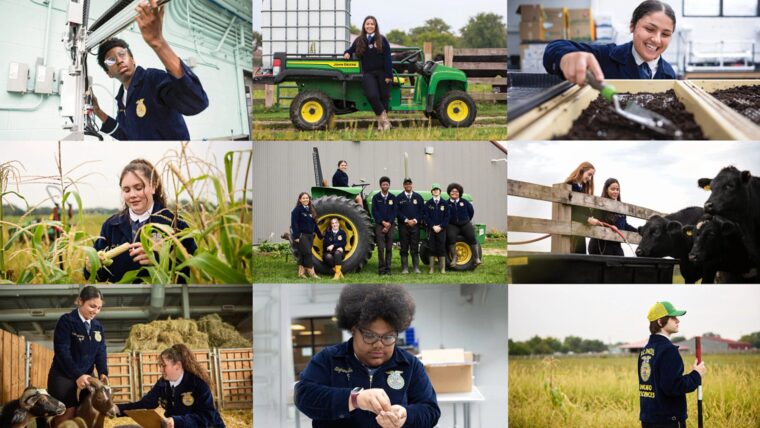
Agricultural occupations include all professions involved in producing, managing, and supporting food, fiber, and fuel — from farm operators to researchers and agribusiness leaders.
How Do Agricultural Careers Support Rural Economies?
These jobs power the food system, sustain rural employment, and drive innovation across farming, supply chains, and sustainability sectors. They’re essential to both local economies and national food security.
Explore Agricultural Career Paths:
2. Organizations in Agriculture
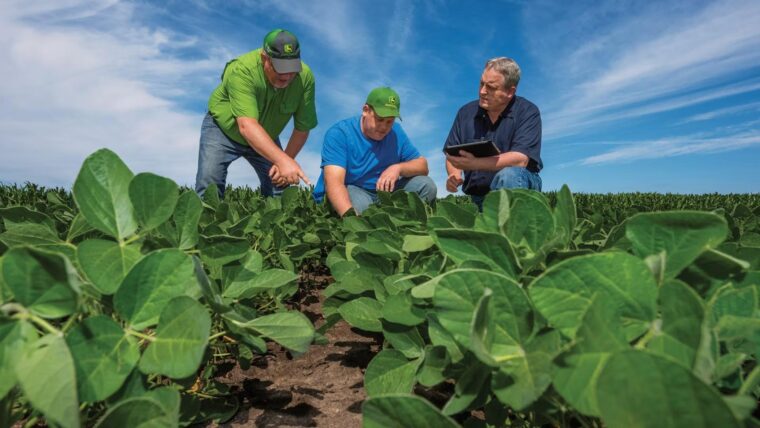
Agricultural organizations are groups that support farming communities through advocacy, education, food distribution, and research. Some examples of organizations in agriculture: AG Against Hunger, the Washington Tilth Organization, and the American Agricultural Law Association.
How Agricultural Organizations Drive Industry Progress:
Agricultural Organizations provide a voice for farmers, shape ag policy, and support innovation across the industry.
Explore Ag Partnerships and Impact:
3. Olericulture
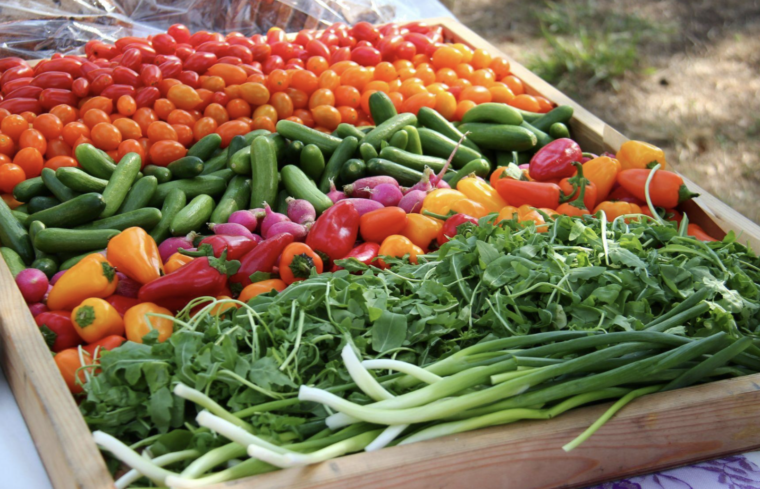
Olericulture is the science and practice of vegetable production, including growing, storing, processing, and marketing various edible plant species.
Vegetable Farming in Practice:
Used by vegetable growers, market gardeners, and greenhouse producers to cultivate crops like tomatoes, lettuce, cucumbers, beans, and leafy greens. It supports both small-scale direct-to-consumer farms and commercial vegetable operations.
How Olericulture Supports Food Security and Market Variety:
Drives local food availability, promotes crop diversity, and helps supply fresh produce year-round. It’s essential to healthy diets and thriving farmers’ markets.
P – Agriculture Terms Starting with P
- Policy in Agriculture
- Plant Quarantine
- Postharvest
- Preharvest
1. Policy in Agriculture
Agricultural policy refers to the laws, regulations, and strategies that govern farming practices, imports, subsidies, biosecurity, and rural development.
Key U.S. Programs and Legislation:
Federal and state governments shape agriculture through landmark policies like the Farm Bill, crop insurance programs, conservation funding, and disaster relief. These policies influence everything from planting decisions to sustainability efforts.
How Agricultural Policy Impacts Every Farm:
Affects farm income, resource access, and environmental compliance. Strong policy frameworks help secure food systems, protect land and water, and support resilient rural economies.
Explore Policy Resources and Overviews:
- Top Online Resources for Understanding U.S. Agriculture and Farm Policy
- USDA Overview of Farm Commodity Policy and Support Programs
- U.S. Government Perspective on International Agricultural Trade Policy
2. Plant Quarantine
Plant quarantine is the isolation of plant material to prevent the spread of diseases and pests through testing, treatment, or destruction.
How Plant Quarantine Is Regulated in the U.S.:
Managed by the USDA’s Animal and Plant Health Inspection Service (APHIS), plant quarantines apply to both domestic and international plant movement to protect crops and native species.
How Plant Quarantine Safeguards U.S. Agriculture:
Prevents the introduction of harmful pests and pathogens, preserves biodiversity, and ensures the safety of commercial crops and ecosystems.
3. Postharvest
Postharvest refers to the handling, storage, and processing of crops immediately after harvest, including sorting, cooling, cleaning, and packing.
Postharvest Systems on Modern Farms:
Practiced by fruit and vegetable farms, grain elevators, packing sheds, and food processing facilities to extend freshness, reduce waste, and prepare products for market.
Why Postharvest Handling Is Critical:
Protects crop quality, improves food safety, and boosts profitability by preserving nutritional value and preventing spoilage during storage and transport.
4. Preharvest
Preharvest refers to the period leading up to crop or livestock harvest, when farmers manage inputs and practices that influence yield, quality, and food safety.
Why Does Preharvest Management Matter?
Impacts final product quality, harvest efficiency, and compliance with food safety and traceability standards. Proper preharvest planning helps reduce losses and optimize profit.
Helpful Resources for Preharvest Success:
- Preharvest Technology Tips to Boost Efficiency
- John Deere Harvesting Equipment You May Not Know
- Fall Farming Tips: Preparing for Harvest and Beyond
R – Agriculture Terms Starting with R
- Rainfed Agriculture
- Research in Agriculture
- Rouging
1. Rainfed Agriculture
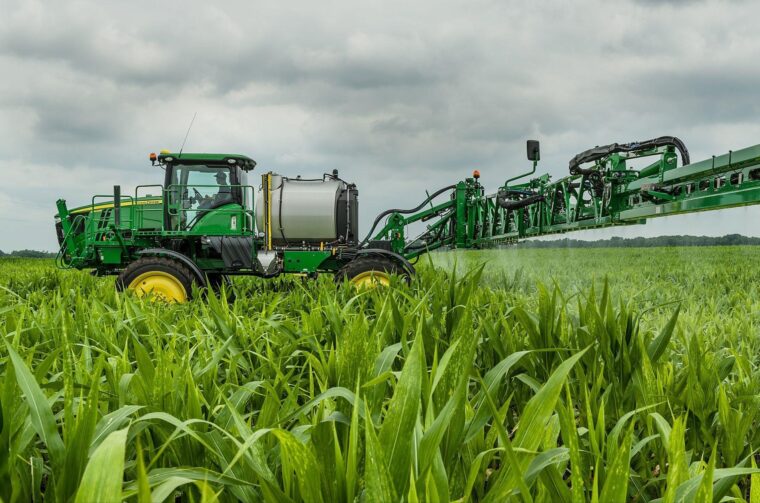
Rainfed agriculture depends entirely on natural rainfall for watering crops, without supplemental irrigation.
Rainfed Regions and Crops:
Common in areas like the Great Plains, where crops like wheat and sorghum are planted according to regional precipitation patterns.
Benefits and Challenges of Rainfed Agriculture:
Lowers water and energy inputs but makes crop performance more susceptible to drought, rainfall variability, and climate shifts—requiring careful planning and soil moisture management.
2. Research in Agriculture
Agricultural research is the systematic investigation of techniques, technologies, and systems to improve farming efficiency, sustainability, and output.
Who Leads Agricultural Research?
Agricultural Research is conducted by land-grant universities, USDA research centers, experiment stations, and private ag tech companies across the U.S. and globally.
Why Does Agricultural Research Matter?
Agricultural Research enables breakthroughs in crop breeding, soil health, pest control, and climate adaptation—supporting long-term food security and sustainable land use.
3. Rouging
Rouging is the practice of removing off-type or undesirable plants from a crop field to maintain seed purity and crop quality.
Used in Seed Production:
Common in certified seed programs and foundation seed fields, rouging is practiced in crops like corn, soybeans, and wheat to maintain genetic consistency and prevent contamination before harvest.
Why Is Rouging Important?
Rouging ensures high-quality seed, preserves genetic traits, and meets industry and regulatory standards for seed certification and resale.
S – Agriculture Terms Starting with S
1. Stocker Cattle
Stocker cattle are weaned calves that are raised on pasture or forage-based diets before entering feedlots for finishing.
Stocker Gains Drive Profitability and Herd Health:
Stocker operations optimize growth with low-cost forage, improving feed efficiency, animal health, and weight gain before feedlot placement.
Up Next: Agriculture Terms T to Z
From minimum tillage to stocker cattle, the agricultural landscape continues to evolve through innovation, sustainability, and global collaboration. This glossary installment has explored essential agriculture terms and farming terms from M to S.
Explore More Agriculture Terms
- Part 1: Agriculture Terms & Definitions
- Part 2: Agriculture Terms & Definitions
- Part 4: Agriculture Terms & Definitions